I tried growing a Cherokee Purple Tomato Plant two years ago, and probably because I am biased toward the reddish-pink tomatoes that my grandmother grew, I was not initially impressed.
I am not sure that I gave the Cherokee Purple Tomato a fair chance, I have read that chefs love the bolder and heavier flavor of the Cherokee Purple, and with that in mind, I am giving this guy another chance.
One reason is that I am interested in the history of the Cherokee Native Plants and their sophisticated, ancient agricultural society.
Native Plants and the History of Cherokee Agriculture in Pre-Colonized USA
With that being said, the Cherokee Purple Tomato is not native to any part of the USA–including the lands of the ancient Cherokees,
The Cherokees were farming at least 500 years before tomatoes were brought to the USA–probably by Spanish explorers, And that was probably during the 1500s. Supposition surrounds the history of tomatoes in North America, and the introduction of the Purple to the Cherokee is unclear.
For purposes of this post, I try to stick to the facts:
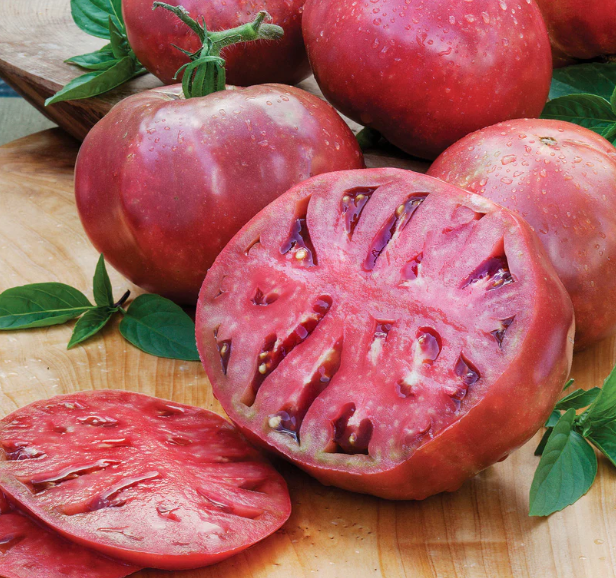
Cherokee Purple
Image Credit: Bonnie’s Plants
Height 5′ – 8′
The Cherokee Purple truly has purple fruit, but it is an heirloom plant. Because I favor the plants that my German grandmother grew and not purple tomatoes, I must admit that my interest in this guy is to experience an heirloom variety from another culture.
“The tomato is a beautiful dusky pink with a deep, rich-red interior. Cherokee Purple grows well in most regions of the U.S. Let the fruit ripen on the vine for the best flavor. This one is a consistent taste test winner at tomato fests around the country. For an heirloom, it is a good producer. In our Alabama test garden, where conditions are ideal and the season is long, we harvest and average of 20 or more fruits from each plant. Vigorous vines benefit from strong staking or caging.” Bonnie Plants
Discover more from Jacki Kellum
Subscribe to get the latest posts sent to your email.