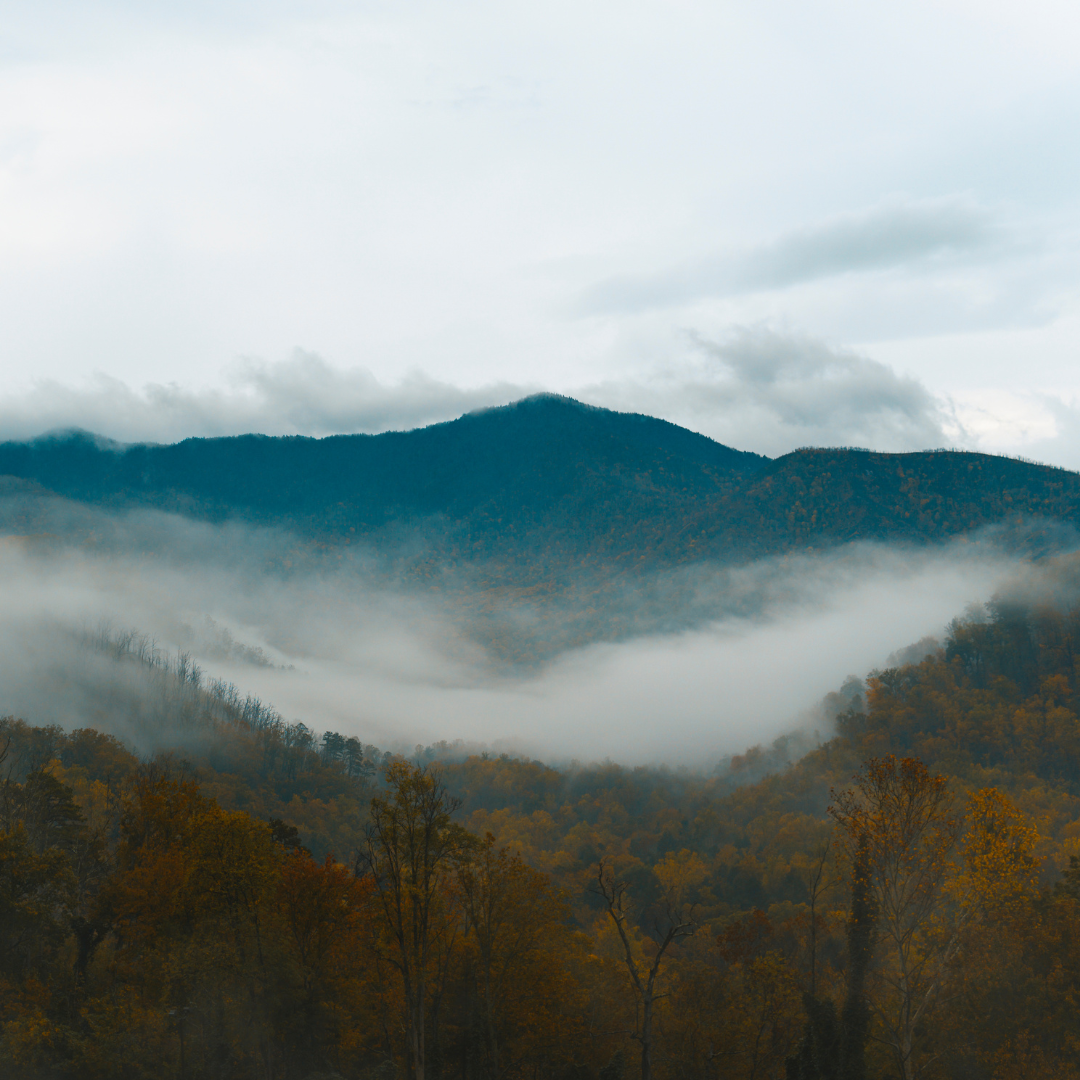
About 65 years ago, my family packed our station wagon with a tent, a kitchen box that my dad had built, and other necessities, and set out from our flat cotton-farming Mississippi Delta home toward the Great Smoky Mountains. It was at least half a century later before I began researching that area and native plants and the Cherokee nation. At that time, I was simply a child who was mesmerized by the fabulous vista of the Smokies, the rolling up and down the terrain, and the sticking of my hand outside the car’s window, to try to catch the clouds as our station wagon drove through them.
That was the first time that i had ever been in mountains. It was the first time that i saw bears–at times they were a bit too close for comfort. And it was the first time I had stood face to face with native Americans. I was too young to realize that this smally settlement of people were the remnants of what was once a great nation in that area. I was too young to realize that these precious people had been bullied and brutalized by my European ancestors, and I was too young that long my ancestors came to this area, this body of people had long been a sophisticated civilization.
Contrary to the ways that the Native Americans have often been portrayed, the Chrokees were not savages before the Europeans arrived, Rather, they were a people who had learned how to survive on the fauna and the flora of the area. They had learned to distinguish the native plants that were poisonous from the ones that had healing and nutritional benefits, and perhaps most impressive, these ancient people had learned how to cultivate plants. The Cherokees were great farmers–long before the Europeans\ arrived.
The Cherokees were great farmers–long before the Europeans arrived.
“Prior to being forced to depart their eastern homelands, Cherokees grew an abundance of plants for food, cultural ceremonies, and medicinal uses. …the traditional plants cultivated there, such as white eagle & flour corn, redroot, rivercane, Trail of Tears beans, jewelweed, potatoes, Cherokee dipper gourds, New Jersey tea, elderberry, and chinquapin trees.” Southern Seed Exchange
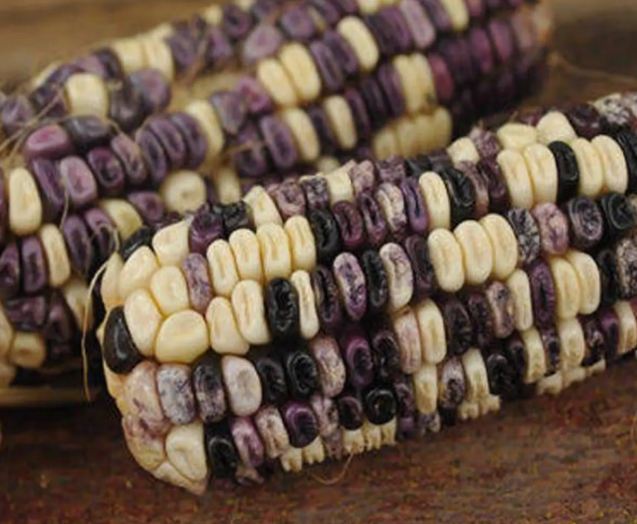
White Eagle Corn – Image Credit Etsy
“110 days. A beautiful blue and white corn with a red cob. Occasionally there will be an all-blue ear. Some people can see the image of a white eagle in the kernels! 8-10 ft. tall stalks, mostly 2 ears/stalk, 6-7 in. stocky ears.: Southern Seed Exchange
White Eagle Corn is a Native American Corn Unique to the Cherokee. It is not the same variety of the red and multicolored Indian Corn.
https://highlandsbiological.org/wp-content/uploads/2019/07/Plant-webpagee3.pdf