It is February 18–two weeks after a brutal ice storm crippled my community, and today, and today, I went out into my garden to see whether or not any plants had begun emerging from their wintry beds. I found all the following plants and more:
Carolina Cranesbill is not a perennial, but she liberally reseeds, and it seems that this plant is a perennial weed, but I rather like her. But note: Carolina Cranesbill reproduces quickly. I acknowledge that this plant can quickly get out of control.
Carolina Cranesbill is not showy — like Bee Balm. Her flowers are tiny, but the bees love this tiny gem. She deserves some space in my garden. Also, I am planning to make some tussie mussies soon, and I bet Carolina Cranesbill would be precious in tussie mussies.
The Victorian Language of Flowers and the Tradition of the Tussie Mussie or Small Bouquet
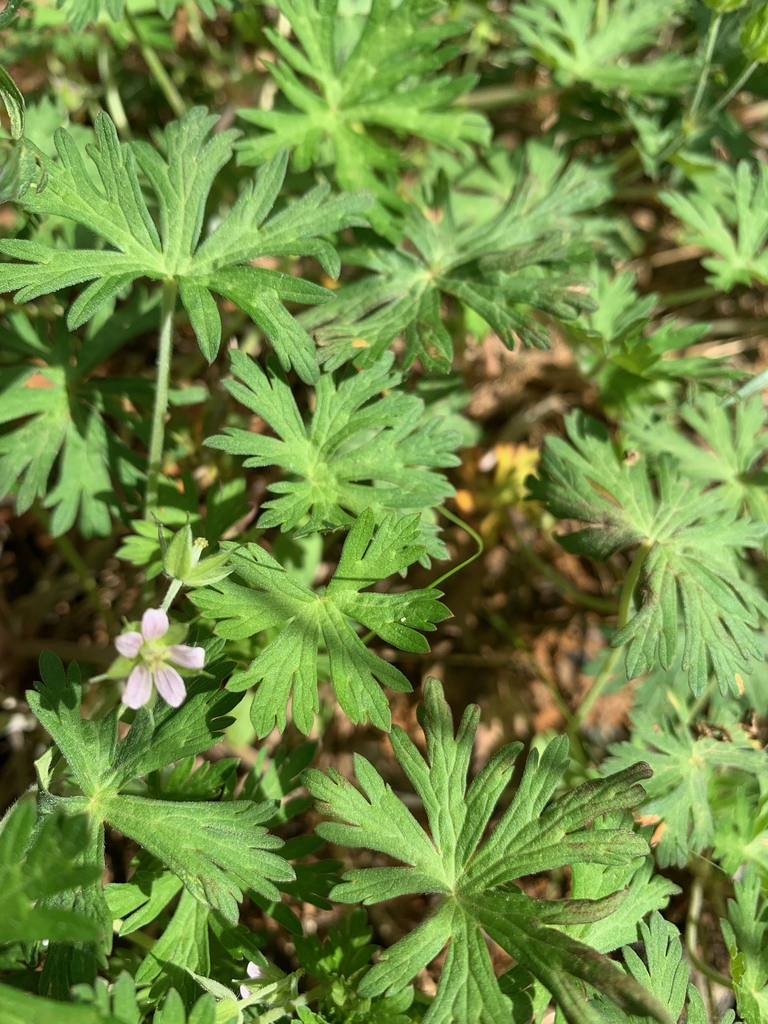
Carolina Cranesbill
Image Credit: North Carolina Extension
- Description
- “Carolina geranium is a native herb found in central and eastern North America and all areas of NC in the cranesbill family (Geraniaceae). The genus name Geranium is derived from geranos, the Greek word for “crane.”
“It is a multi-branched and sprawling pubescent annual, usually growing no taller than 1 ft. Carolina cranesbill prefers full sun to part shade in poorer soil that is gravelly, sandy, or contains hardpan clay. This reduces competition from other plants. This plant is sold commercially for home use but can become weedy due to reseeding.
“The white to pink flowers occur in tight clusters from spring into summer and the seed capsule has the usual beak giving it the common name of cranesbill. d other pollinators visit the flowers and birds will eat the seeds.” North Carolina Extension
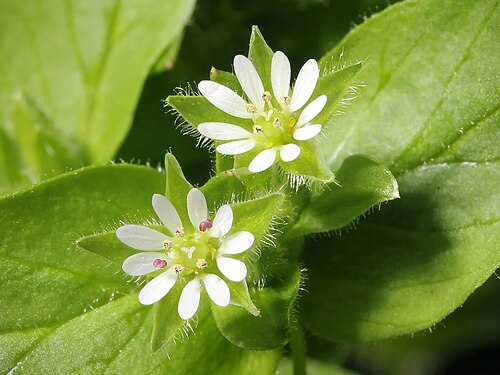
Common Chickweed
Image Credit: WikipediaMuch that I have said about Carolina Cranesbill is also trued of Common Chickweed. Although this guy can become a nuisance, it feeds several butterflies and moths. For that reason, I’ll allow some of my Chickweed to remain in my garden–at least until other flowering plants bloom to feed the wildlife.
“Also known as winter-weed, common chickweed is a long-growing annual broadleaf weed that has light green leaves that are smooth or hairy towards the base of the leaf stalk. One way to easily recognize this weed is by looking at the arrangement of the leaves. The leaves are usually situated the opposite of one another on the stem. Chickweed can also have small white flowers or clusters. The best time to control this weed is in November or mid-February to mid-March.” Mississippi State Agriculture
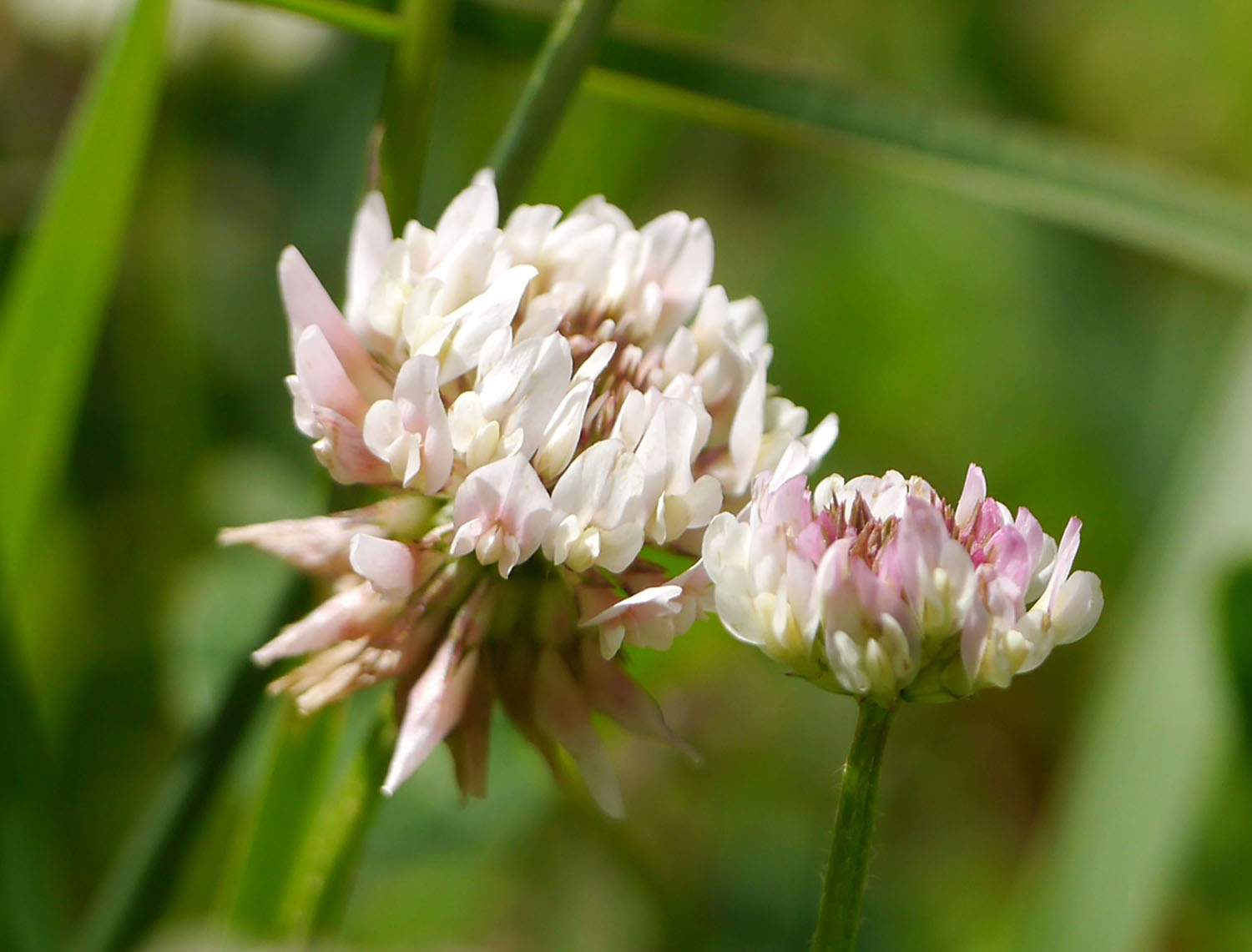
Clover White
Image Credit: Identify That PlantNothing says early summer to me more than a soft bed of white clover. When I was a child, I sat for hours in my neighborhood’s empty lot, picking clover and weaving it into chains,
I grew up in the 1950s, and folks held the sodded lawn in high regard. Clover was not welcome there, but it was safe in my empty lot, and my empty lot was important to me.
I have since learned that white clover is good for improving the soil. It also has health benefits:
Clover Medicinal Uses
“White clover is a rich source of vitamins and minerals, including vitamins A, C, E, and K, as well as calcium, magnesium, and potassium. It is also high in dietary fiber and contains a wide range of polyphenols and flavonoids, which are powerful antioxidants. These polyphenols and flavonoids have been linked to numerous health benefits, including improved heart health and a lower risk of type 2 diabetes.“The white clover fusion, in particular, can help boost the immune system and treat a variety of illnesses such as colds, fevers, and coughs. It is also useful in dealing with common cold symptoms like headaches and congestion. On the other hand, it can also treat joint pain and rheumatic aches. It can also be used as a natural antiseptic eye wash to treat eye infections. The leaves, in particular, can be utilized to heal sores, burns, external wounds, and ulcers.” Stover Seeds
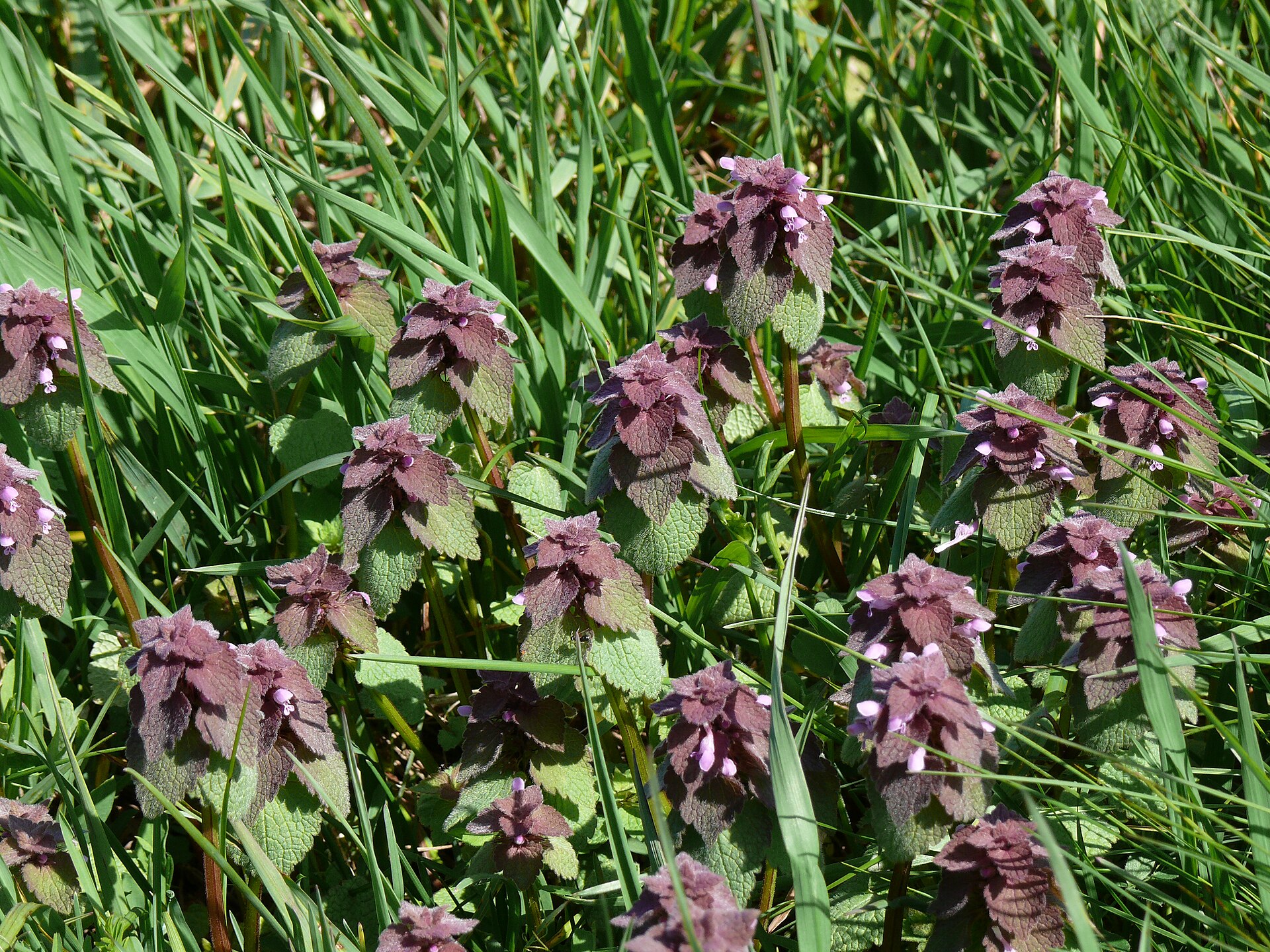
Dead Nettle
Image Credit: Wikipedia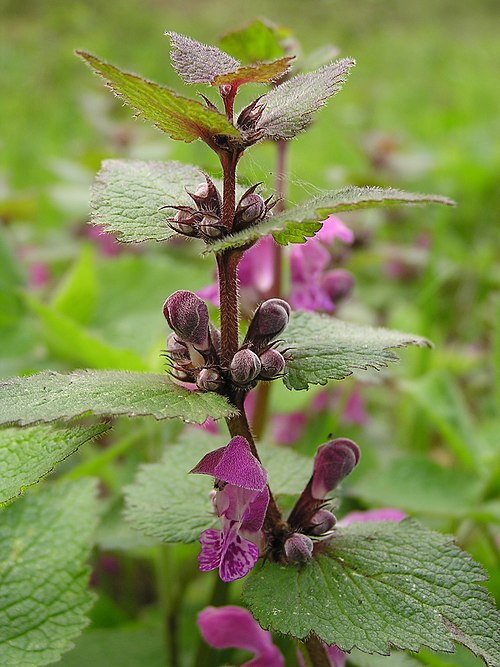
Image Credit: Wikimedia Although I have always liked the way dead nettle looks, I usually immediately dismiss this sweet little guy as a weed. You see, someone poisoned me with that assumption many years ago. Therefore, when I saw Dead Nettle making a showing in my yard in early February [blooms in tact]. I almost dismissed it. But I thought: This is only flowering plant in my yard right now. If nothing else, it will sustain the early pollinators in my garden. With that thought, I did some research.
“Just a weed? Absolutely not! Purple Dead Nettle is a perennial “weed” known for its purple flowers. However, it is edible and possesses many medicinal qualities.
HEALTH BENEFITS OF Purple dead nettle
“Dead nettle is an antioxidant with a good source of vitamins (especially A and C) and Iron. It contains anti-microbial and anti-inflammatory properties making it a great addition for the homestead medicine cabinet.
“Dried purple dead nettle leaves can be used in a tea as a natural diuretic and to help treat urinary tract infections. But use with caution as it can also have a laxative effect.
“Fresh leaves can be applied to wounds as a poultice or dry the leaves and make a salve to have available year-round to help heal bruises and minor cuts.” Centennial Roots
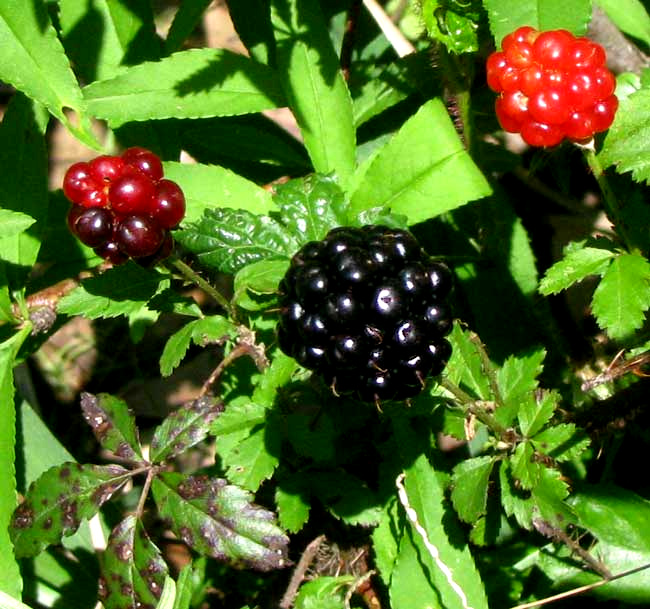
Dewberry Southern
Image Credit: Backyard NatureWhen I saw the dewberry vine that had emerged in my February garden, I almost dismissed this treasure as another greenbrier taking off, but I looked closer, and this guy seemed a bit different. I was thrilled to see that I had a native dewberry plant in my garden. I have a thicket of wild blackberries in the back of my property, This vine was different:
“Dewberries are part of the Rubus family, the same plant group as blackberries and raspberries. The main difference between blackberries and dewberries is how they grow – blackberries send up tall, arching canes and dewberries trail along the ground. In fact, their stems root wherever they touch the soil, which makes them quick to spread but also easy to propagate. …
“Southern dewberry plants are a hardy perennial bramble with small, five-petaled white flowers in early spring, followed by shiny purple-black berries in late April or May—several weeks before blackberries start to ripen. In our area, dewberry fruit ripen just a few weeks before the mulberry harvest starts.
“Dewberries taste a lot like blackberries, though they’re often described as slightly tarter and more complex. They make excellent jams, cobblers, syrups, and even tea from their leaves or flowers. …
“They’re tough, drought-tolerant, and perfectly suited to poor soils that might challenge fussier fruits. And if you like the look of a naturalized, cottage-style garden, dewberries fit right in—sprawling, graceful, and buzzing with pollinators in spring.” Creative Simple Living
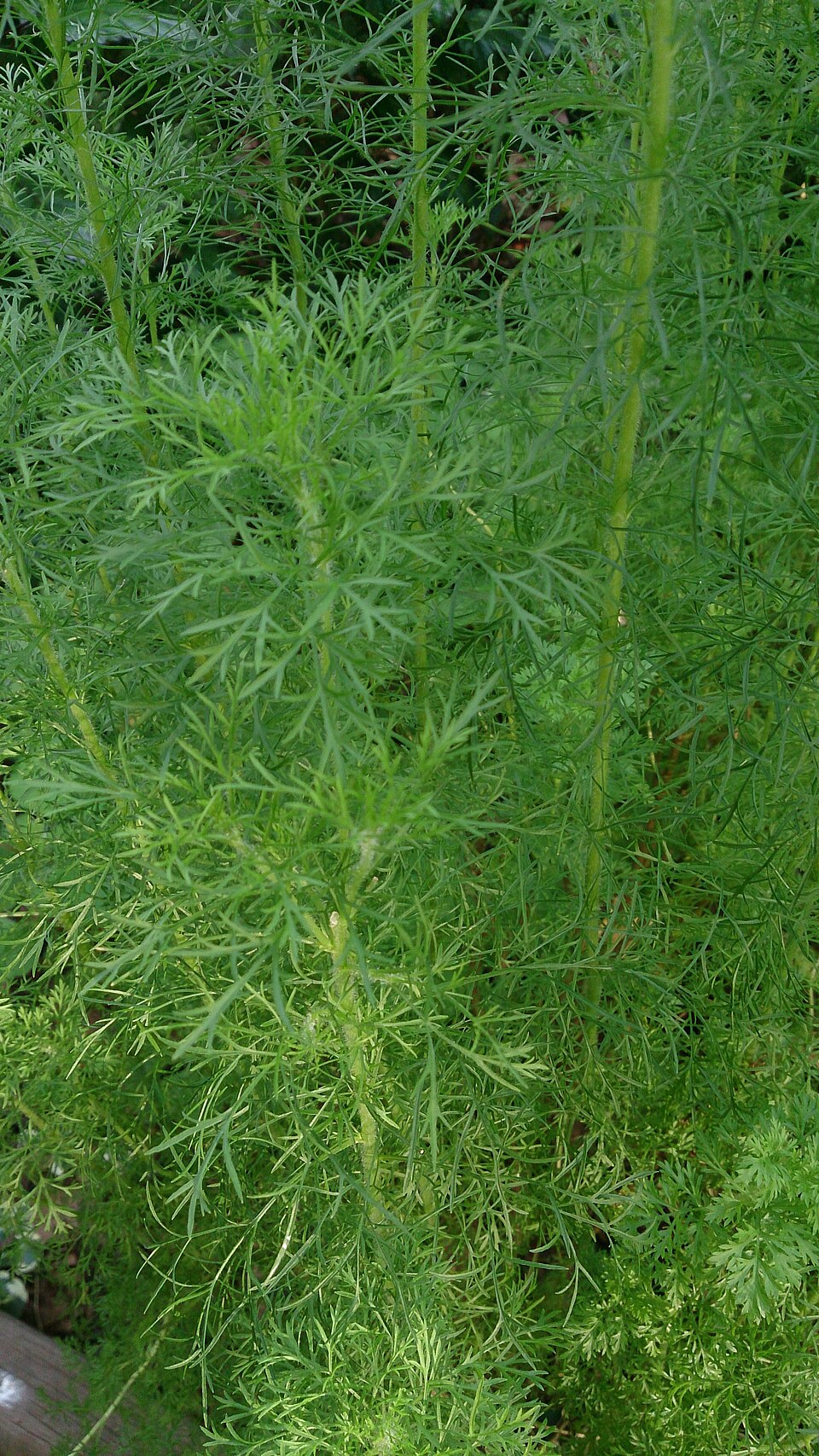
Dog Fennel
Image Credit: WikipediaDog Fennel
Dog Fennel is moderately poisonous.
I find it fascinating that while dog fennel is considered a weed in America, it is prized in some European gardens. I think I sympathize with the European point of view.
- Description
- “Dogfennel is an herbaceous perennial in the daisy family (Asteraceae) with finely dissected leaves that are very aromatic when crushed (an aroma that is unpleasant to some). Widely regarded as a weed in the Southeastern US, dogfennel is grown in perennial borders in the UK, and both the species and the cultivar ‘Elegant Feather’ have earned the Royal Horticultural Society’s Award of Garden Merit. The species epithet is Latin for “hair-like leaves.” North Carolina Extension
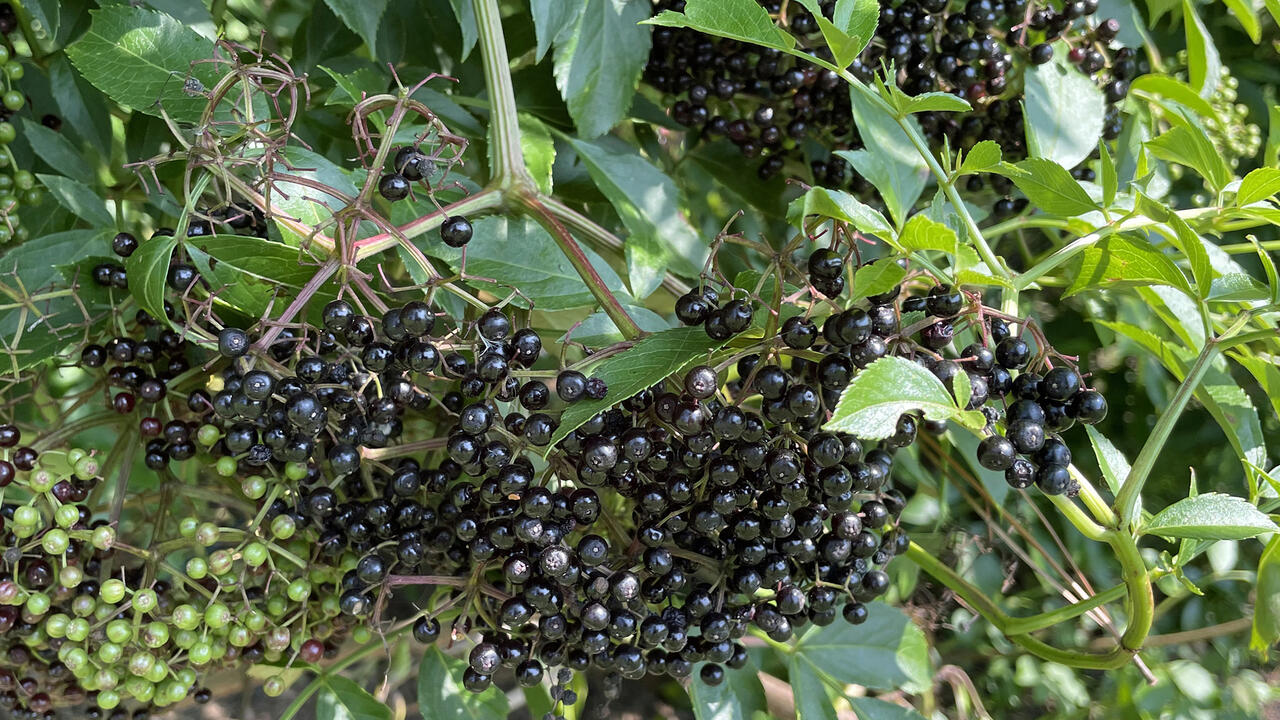
ELDERBERRIES — Elderberries are touted for their health benefits, and they thrive in full sun with consistent moisture and rich, loamy soils. (Photo by MSU Extension While I might be persuaded to eliminate some of the plants I discovered on my venture to see what is growing in my winter garden, that is not the case for the Common or American Elderberry. When I was a child, my dad frequently took the family to forage in the woods. As though it was yesterday, I remember his deep frying battered elderberry blossoms. After the frying was over, he would sprinkle them with powdered sugar. What a treat!
Elderberry Common
of the viburnum family (Viburnaceae). It can be found in all areas of North Carolina along streams, marshes, moist forests, and disturbed areas. The genus name may be derived from sambuco, the Italian word for elderberry. The species epithet means “of Canada.”
“American elderberry tolerates a wide variety of wet to dry soils but prefers rich, moist, slightly acidic soil in sun to partial shade.
“Plants will spread by root sucker and will form thickets if the suckers are not removed. In summer, small white flowers are borne in dense clusters. Flowers are followed by a purple-black drupe that is produced in drooping clusters from late summer to fall. The fruit is edible when cooked and can be used in pies, pancakes, and jellies. Elderberry flowers and fruits are used in winemaking. Wildlife also enjoys the fruits, and the arching branches provide a habitat for nesting birds. Native bees nest in the dead, hollow stems, so gardeners are encouraged to cut back dead stems to 12 to 24 inches and allow them to remain standing until they disintegrate on their own. Read more about best practices for stem-nesting bees in this NC Extension publication.
“Use this plant in naturalized areas, as a hedge, in a woodland, or along streams and ponds. It is a good addition to butterfly, edible, native, pollinator, or rain gardens. It is effective erosion control in moist sites. Due to the plant’s suckering and unkempt appearance, it is best to use this shrub in the background of a home landscape. It does not lend itself to more formal garden settings.” North Carolina Extension
“ELDERBERRIES — Elderberries are touted for their health benefits, and they thrive in full sun with consistent moisture and rich, loamy soils. (Photo by MSU Extension/Eddie Smith “Elderberry is a plant native to North America that has received a lot of attention lately from people who claim health benefits from drinking its berry juice.“American elderberries have been growing wild across the South for centuries, as they are naturally adapted to our climate and soils. They thrive in full sun, love consistent moisture, and grow best in our rich, loamy soils without needing much fuss.
“With my interest piqued in this plant, I recently took a visit to Veteran Berries in Decatur, Mississippi, to see these plants growing for myself. There, I met Dewayne Hamrick, who has been growing cultivars like Hamilton, Pocahontas and several other selections that perform well here in Mississippi.
“Elderberries are deciduous shrubs that typically grow between 6 and 12 feet tall, spreading by both seeds and root suckers. Each spring, new canes emerge from the base of the plant. The canes grow quickly, leafing out with opposite, compound leaves that give the plant a soft, feathery look.
“Elderberries flower on new growth, and the clusters of blooms appear in late spring to early summer.
“While visiting Dewayne’s elderberry patch, these blooms were the first thing that caught my attention. They form in large, flat-topped clusters that can measure 6 to 10 inches across. Their delicate beauty and fragrance can easily stop you in your tracks.
“Just as impressive is the life they attract. Pollinators swarm the blossoms, and later, the berries become a valuable food source for birds and other forms of wildlife.
“After flowering, clusters of small green berries appear, and these slowly swell and ripen over several weeks. By mid-to-late summer, those clusters transform into heavy, drooping bunches of deep purple to nearly black berries.
“Once harvested, the canes that produced fruit gradually die back over the year so that new canes can take their place and produce the next season’s crop. This cycle of renewal is what makes elderberries such a productive and sustainable shrub.
“Elderberries are versatile in the kitchen, but the berries must be cooked before eating.
“Raw elderberries, along with the leaves and stems, contain small amounts of naturally occurring compounds that can cause nausea or stomach upset if consumed. Cooking breaks down these compounds, making the berries safe and delicious to enjoy.
“Dewayne said he has seen elderberries turned into syrup, jelly, tea and even wine.
“Planting elderberries in your landscape will give you beautiful blooms to enjoy, they will attract pollinators and birds, and you will have a steady harvest of berries to use in the kitchen year after year.” Mississippi State Extension
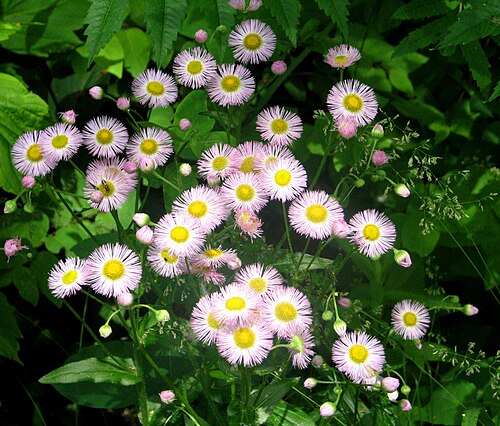
Fleabane Philadelphia
Image Credit: WikipediaFleabane is one of my favorite daisy-like flowers in my garden. But this flower is tiny. Absolutely perfect for tussie mussies.
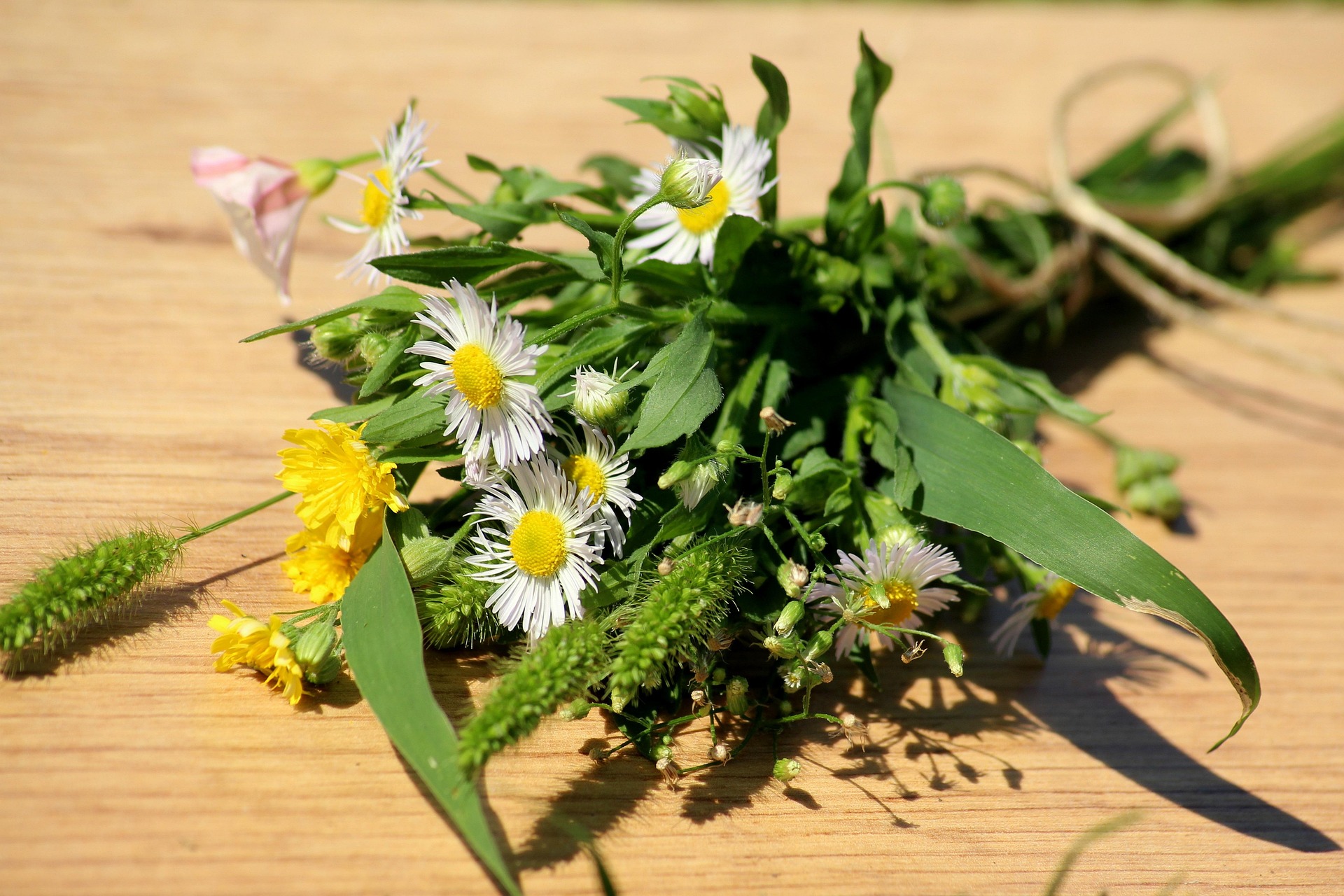
“Philadelphia fleabane is a herbaceous plant growing to about 15–76 centimetres (1⁄2–2+1⁄2 feet) tall. The leaves are alternate, simple and up to 15 centimetres (6 inches) long,[5] on hairy stems. The middle to lower leaves are heart shaped. The flower heads are borne in spring in arrays of as many as 35 heads. Each head may sometimes contain as many as 100 to 150 pink or white ray florets surrounding numerous yellow disc florets. The blooms are less than 2.5 cm (1 in) in diameter. The stem is hairy with rough hairs. Its active growth period is from spring to summer (April to July),[6][7] [in zone 8a, this guy is growing in early February] with flowers until September.” Wikipedia
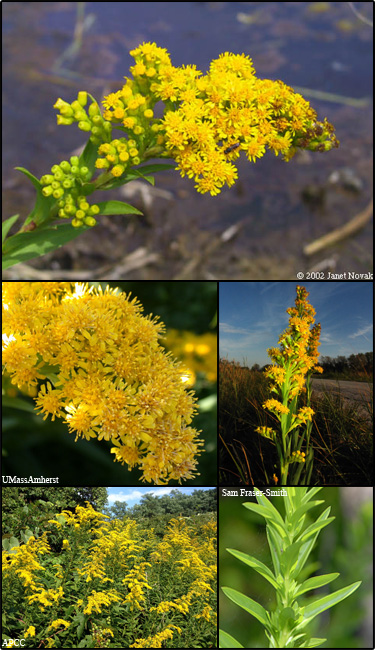
Goldenrod Seaside
Image Credit: Learn MISIN“Discover the resilient beauty and ecological importance of Solidago sempervirens, commonly known as Seaside Goldenrod. This hardy native perennial is a standout in coastal and sandy environments, offering bright, golden-yellow blooms that attract pollinators and support wildlife from late summer through fall. Ideal for gardeners seeking to enhance biodiversity and add late-season color, Seaside Goldenrod is both attractive and environmentally beneficial.
Why Choose Seaside Goldenrod?
- Bright, Late-Season Blooms: The bold, golden flower clusters of Seaside Goldenrod provide a stunning display from late summer to fall, adding vibrant color to the garden when many other plants have finished blooming.
- Pollinator Magnet: The nectar-rich flowers attract bees, butterflies, and other pollinators, supporting biodiversity and contributing to a healthy garden ecosystem.
- Coastal Resilience: This plant is highly tolerant of salt spray, sandy soils, and drought, making it ideal for coastal gardens, dunes, and other challenging sites.
- Erosion Control: Seaside Goldenrod’s extensive root system helps stabilize soil and prevent erosion in vulnerable coastal and disturbed areas.
Cultivation Tips
- Sunlight Needs: Prefers full sun but can tolerate light shade.
- Soil Requirements: Thrives in sandy, well-drained soils but is adaptable to a variety of soil types, including poor and rocky soils.
- Watering: Water regularly during the first growing season to establish a deep, extensive root system. Once established, it is drought-tolerant and requires minimal watering.
- Spacing: Plant approximately 18-24 inches apart to allow for natural growth and airflow.
Landscape Design Ideas
“Seaside Goldenrod is perfect for naturalizing coastal landscapes, creating vibrant pollinator gardens, or adding late-season interest to perennial borders. Use it to enhance dunes, stabilize slopes, or add height and color to wildflower meadows. Pair with other native coastal plants like Beach Plum, Switchgrass, and Butterfly Weed to create a diverse, wildlife-friendly landscape.
Environmental Impact
“By planting Solidago sempervirens, you help support local ecosystems by providing essential nectar for pollinators and food sources for birds. Its ability to stabilize soil and tolerate saline conditions makes it a critical species for coastal conservation and restoration projects.
“Incorporate Seaside Goldenrod into your garden for its bright blooms, resilience, and ecological benefits. This native perennial is a valuable addition to any garden or landscape, particularly those focused on sustainability and supporting local wildlife.” bumbees.com
“Description: Sold as an ornamental for wildflower gardens.
“Habit: Perennial goldenrod tolerant of standing water, drought, and saline soils.
“Leaves: Basal leaves are narrowly ovate to oblanceolate tapering to a winged petiole. Up to 22 inches long and commonly 1.5 to 2.5 inches wide. Stem will have alternating leaves. Leaves on stems are much smaller and get progressively smaller going up the stem. Typically 2-3 inches long and 0.5 inch wide. Stem leaves are lanceolate and sessile.
“Stems: Woody caudex, without rhizomes and grow between 18 inches and 10 feet tall.
“Flowers: Deep yellow-golden in color, composite flowers that have disk and ray florets. Inflorescence is pyramidal and flowering occurs from top to bottom.
“Fruit and seeds: Prolific seed producer.
‘Habitat: Native to the eastern coastal North American. Found in wetlands, prairies, dunes, marshes, lakeshores and roadside ditches.” Learn MISIN
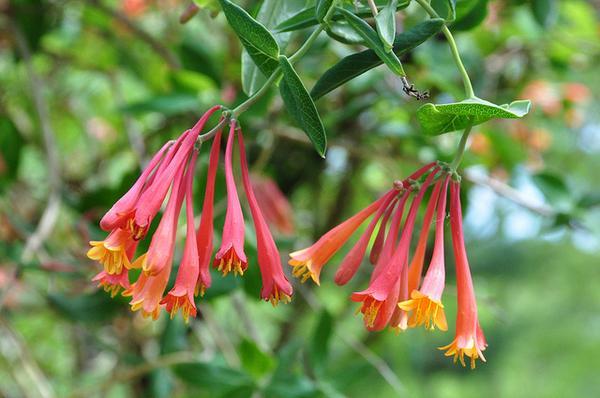
Honeysuckle Coral Trumpet
Image Credit: North Carolina ExtensionMy Coral Honeysuckle is evergreen; therefore, I saw little change in my primary honeysuckle vine. But while I was scouting around today, I discovered a new coral honeysuckle baby. This happened two years after I planted the main plant.
- Description
- “Trumpet honeysuckle is a vigorous, twining, perennial vine in the honeysuckle family (Caprifoliaceae) that is native to the eastern United States, including North Carolina. The species epithet is Latin for “evergreen,” and indeed the species is evergreen in the warm winter climates of the Deep South.
“Trumpet honeysuckle grows in medium moisture, well-drained, neutral to acidic soils in full sun. It will grow in some shade, but best flowering is in full sun. It likes humus-rich soils. It flowers on new growth, so avoid pruning until after flowering. High nitrogen fertilizer will produce foliage at the expense of flowers. Propagate by layering, stem cutting or seeds.
“This is a twining vine that can reach 10 to 20 feet tall. It needs a support structure and thus is an excellent choice for growing up a trellis, arbor or fence. However, it can also be allowed to sprawl as a ground cover. Trumpet honeysuckle flowers in mid-
“It is a nice addition to a butterfly, native, or pollinator garden. It can add a vertical presence to the garden. Its salt tolerance makes it especially welcome in coastal gardens. hummingbirds, who are the pollinators of this spring, and the non-fragrant blooms attract species.” North Carolina Extension
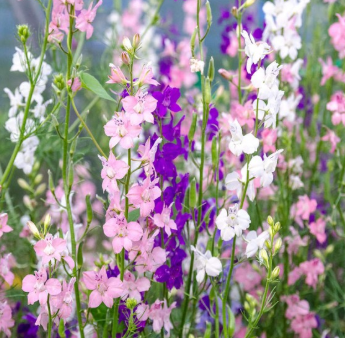
Larkspur Rocket
Image Credit: EverwildeLast summer, a few larkspurs grew in my summer garden. I was delighted to see that more of them have begun growing in my winter garden.
“Blossoming in pink, blue, and white, these colorful spikes will bedazzle the eye. Larkspur is a favorite flower for many annual flower gardens and makes a beautiful cut flower as well. Hummingbirds love to visit this plant too.This close cousin of the delphinium has a similar appearance to that flower, but grows as an annual. The genus name Delphinium comes from a Greek word meaning dolphin, referring to the unique shape of the blossoms; the species name “ajacis” comes from the Greek myth that these flowers first grew in the place where the great warrior Ajax committed suicide. The common name of Delphinium ajacis, larkspur, comes from the supposed resemblance of the blossoms to the claw of a lark. Native Americans and early settlers used the bright flowers of this plant to make blue ink. Larkspur is the flower of the month of July, and symbolizes a carefree or fickle heart.” Everwilde
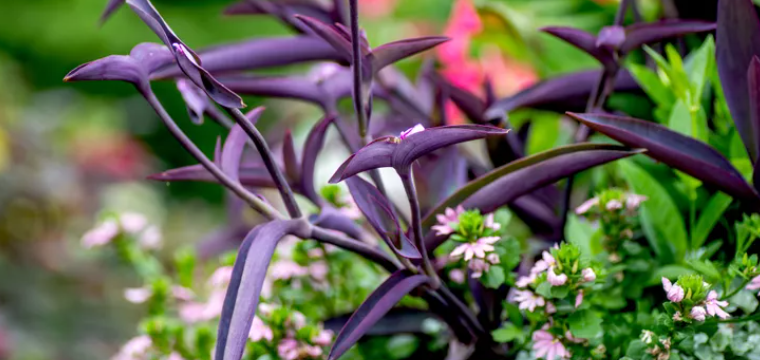
Purple Heart Plant
Image Credit: Southern LivingWhen I was in my yard today, I was fooled by my Purple Heart plants that were emerging from the soil. They looked like healthy clumps of green grass with a tinge of purple along the blades. My Plant ID app corrected me, and I do remember planting some Puprle Heart near that spot last year. Because most of the foliage in my garden is green, I like the contrast of the purple. I prefer the solid purple plant as opposed to the green with purple stripes.
“If you ask The Southern Living Garden Book to point you toward a hardy plant with a stunning color payoff, it will send you straight to the purple heart plant. Also known as Tradescantia pallida ‘Purple Heart,‘ it’s a beautiful, hardy perennial with long, trailing stems that resemble rambling vines. Purple hearts are often planted in pots or displayed in hanging baskets. They’re aptly named, as their foliage appears in silvery purple and violet hues.
“Tradescantia species are perennials in the family Commelinaceae, also known as the spiderwort family. Tradescantia pallida ‘Purple Heart’ was known as Setcreasea pallida ‘Purple Heart’ and is sometimes also called Purple Queen. Purple heart is native to the Gulf Coast region of Mexico and can grow one to two feet tall and wide. Its purple leaves are long and oval-shaped, and it produces small purple flowers during the summer months. This striking appearance makes it perfect for common use as an ornamental plant in gardens and along borders or driveways.
“Most varieties of purple heart plant are virtually indestructible with long, trailing stems. This creeping plant grows to 18 inches tall and 12 inches wide with stems that tend to flop. The leaves are oval and deep purple with tiny pink flowers in summer. In winter, frost may kill tops of purple heart plants making them generally unattractive, but recovery is fast in warm weather. Use as ground cover, for bedding, or in pots. Plant them in full sun or light shade. The more sun they get, the darker the purple color will be. Cuttings of purple heart plant root quickly, which makes them a cinch to propagate in a glass of water. Deer don’t normally browse these plants.” Southern Living
Discover more from Jacki Kellum
Subscribe to get the latest posts sent to your email.