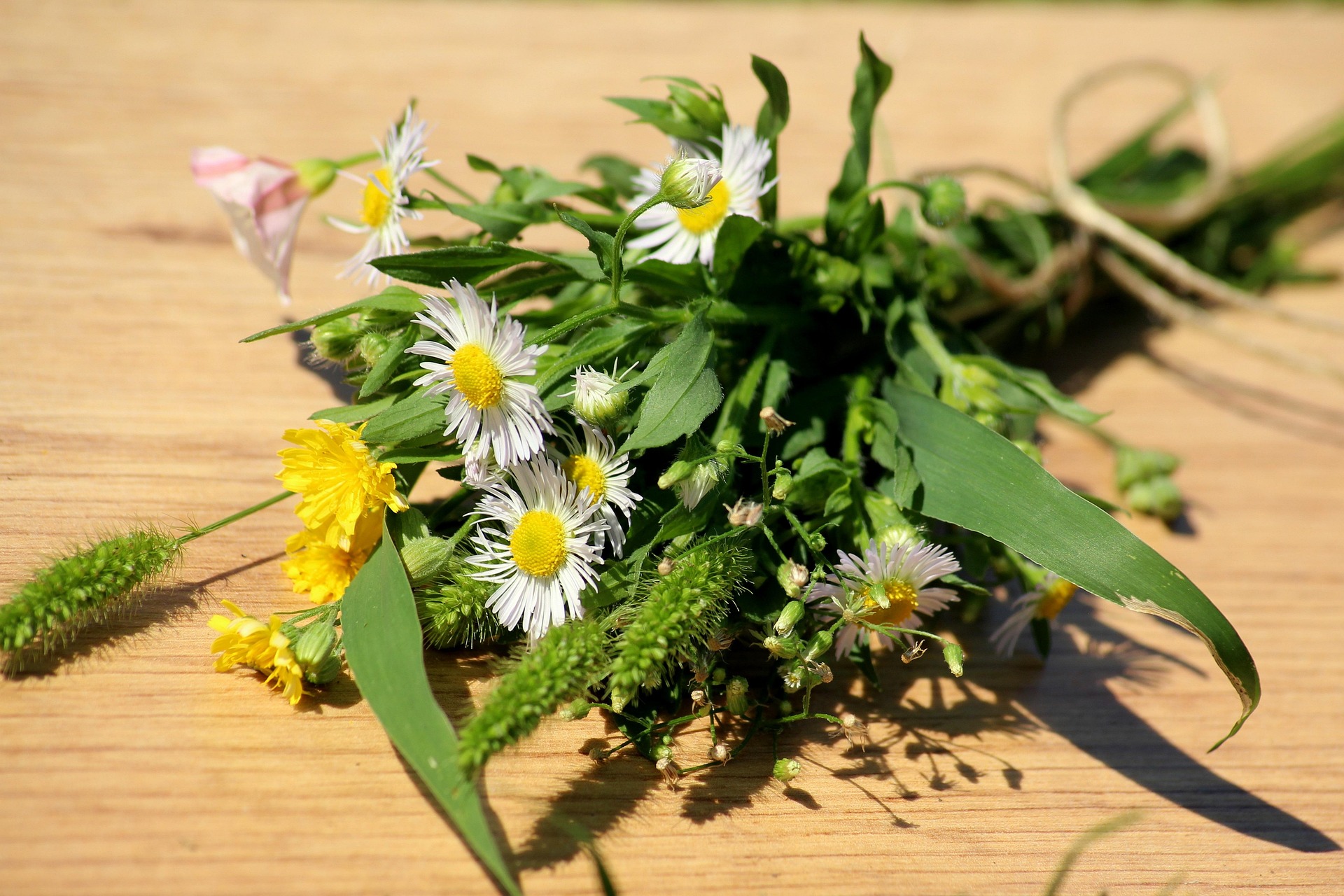
I am planning to have a Blessing of My New Studio the first weekend of May . ( have chosen that weekend because I hope to add a new shopping opportunity next to my studios – a place to peddle flowers, plants, produce from my garden, etc, I plan to call the venture Garden Market–sort of like Farmer’s Market while I am not a farmer, I am an avid gardeners–and I grow some healthy flower crops–certainly more than enough for myself.
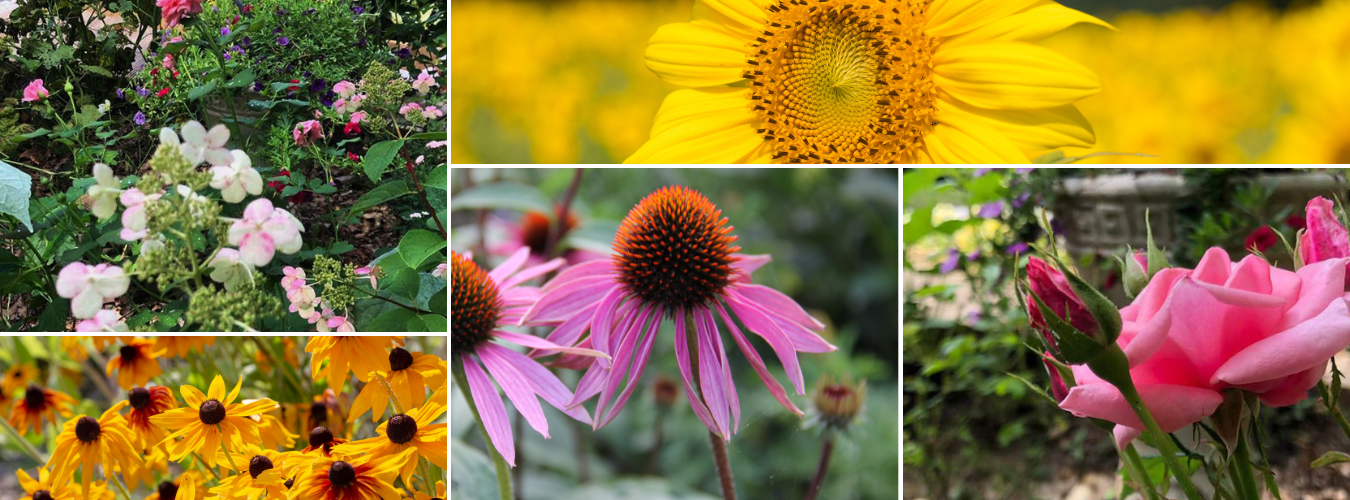
My grandmother was a traditional cottage gardener,, and I have grown up, loving flowers. I was born in 1950, and during the 1950s May Day Baskets were popular.
What are May Day baskets?
“May Day baskets, typically filled with flowers and tokens of affection, are secretly left on a recipient’s doorknob or porch—often accompanied by a quick ring of the doorbell before the basket-giver disappears.
What are the origins of the May Day basket?
“The tradition is possibly tied to the pagan festival of Beltane, a celebration of renewal. But across cultures and centuries, May celebrations have included floral traditions, symbolizing love, resilience and abundance. In ancient Rome, the festival of Floralia was held to honor the Goddess of flowers and fertility. …
“In the United States, the practice of gifting May Day baskets dates back to at least the late 19th century. Louisa May Alcott’s 1880 novel Jack and Jill describes young girls and boys gathering flowers to fill baskets as part of this seasonal tradition. Leaving a basket was also often a form of flirtation, sometimes initiating a playful chase for a kiss.
When were May Day baskets at peak popularity?
“In the early 20th century, the tradition was so popular that first lady Grace Coolidge received May Day baskets at the White House entrance on multiple occasions. Children delivering the baskets would hide behind the pillars, awaiting for Mrs. Coolidge to step outside and discover their gift.
“By at least the 1950s, Hallmark had also capitalized on the custom, marketing Hallmark May Baskets as an alternative to the handmade tradition. Hallmark even claimed the practice traced “back to Colonial days, when the early settlers brought the custom from England.” History.com
“Flowers had powerful meanings in the Victorian Era and were often given as a way to express emotions. However, meanings and traditions change throughout time and culture. Today the flowers of the Victorian Era do not have the same meanings they once did. After discussing symbolism, ask students what is used today to express different emotions. Share a brief history of symbolism as it relates to Victorian flowers:
“In Victorian culture, flowers were the language of love. Learning the special symbolism of flowers became a popular pastime during the 1800s when each flower was assigned a particular meaning. Feelings that could not be proclaimed publicly could be expressed through flowers.
“Conservatories were built to house exotic plants while floral designs dominated interior decoration. Nearly all Victorian homes would own at least one of the guide books dedicated to the ‘language of flowers.’ T
“The authors of these guidebooks used visual and verbal analogies, religious and literary sources, folkloric connections, and botanical attributes to derive the various associations for the flowers.
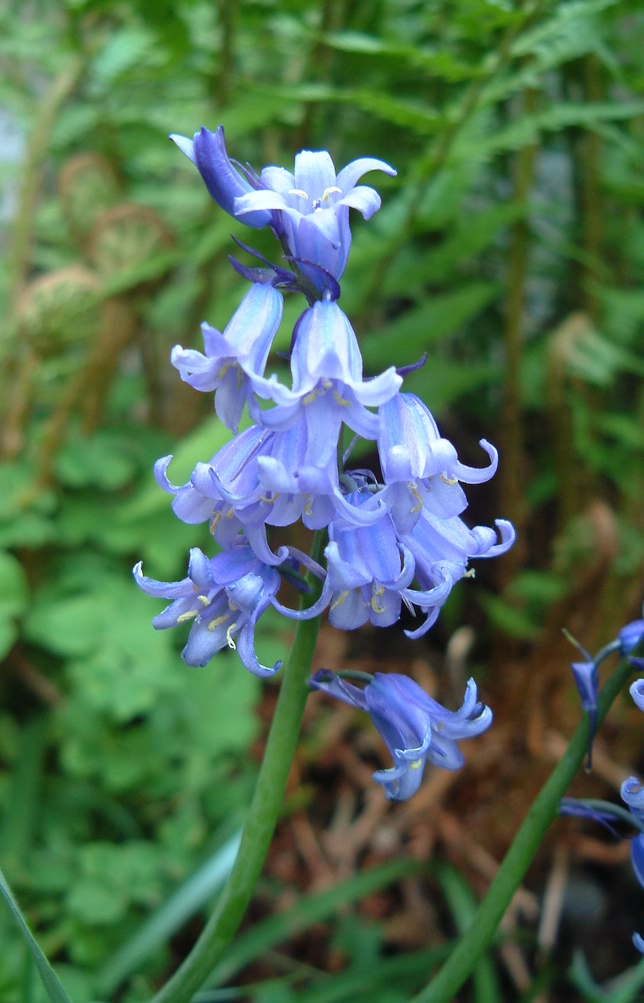
“For example bluebells stood for “kindness,”
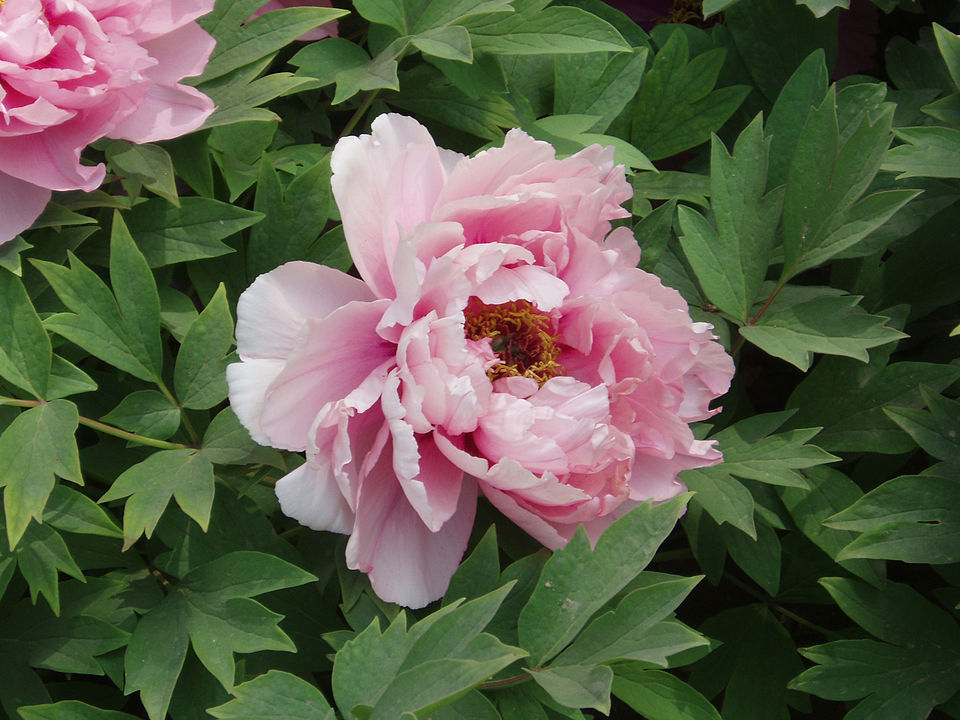
peonies meant “bashfulness,”
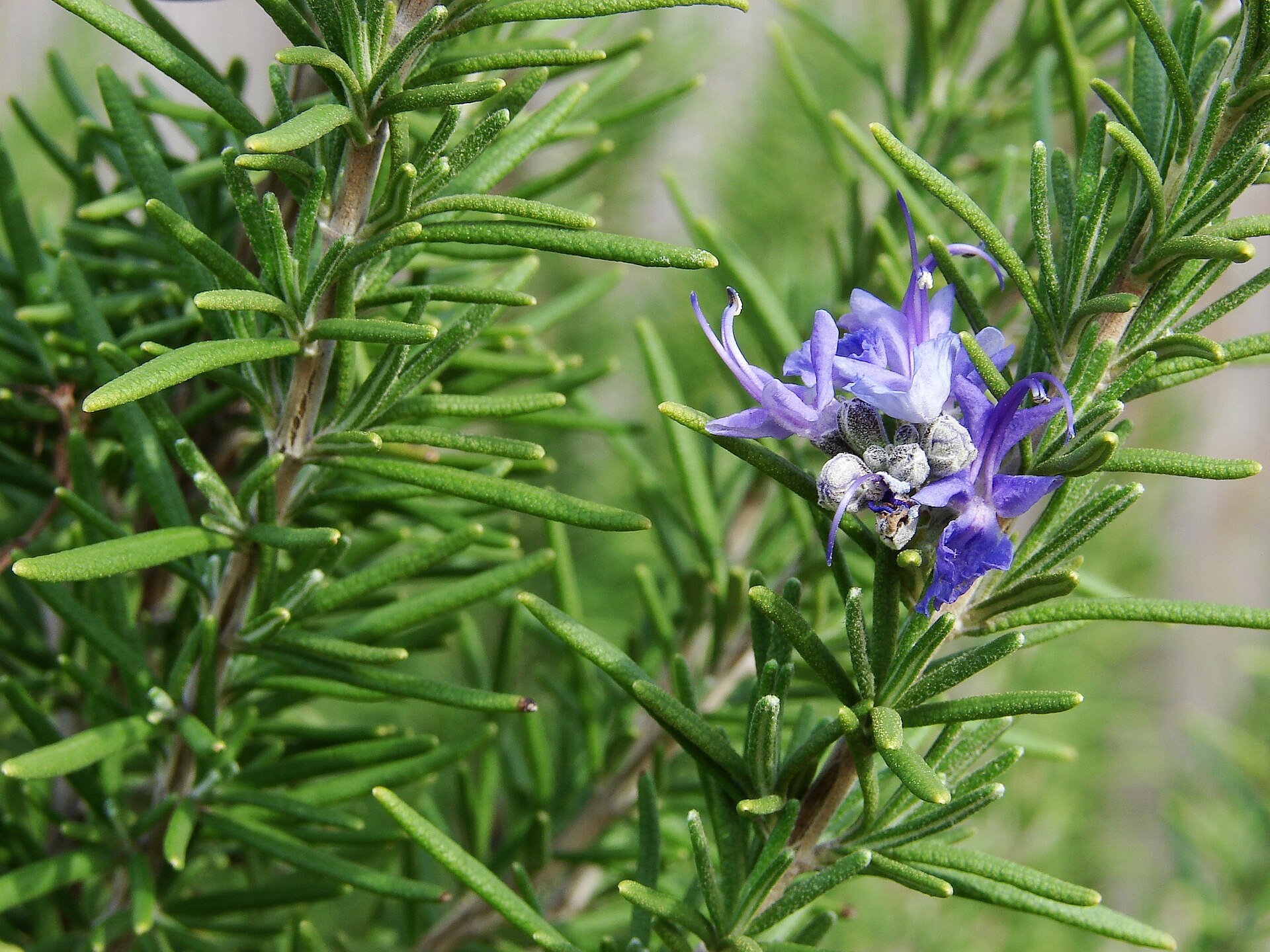
rosemary was for “remembrance,”
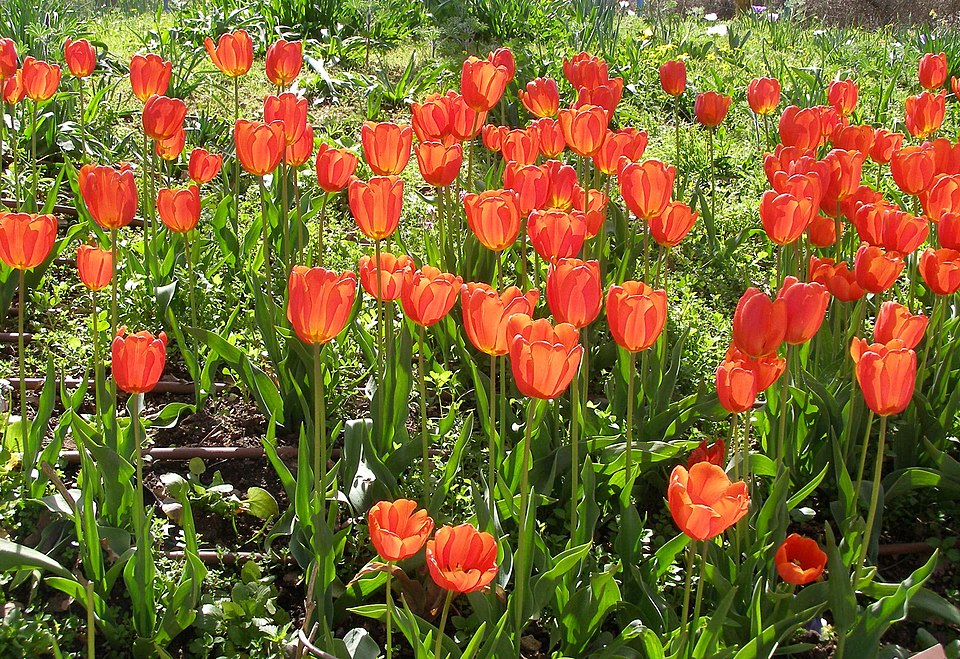
tulips represented “passion,” and wallflowers stood for “faithfulness in adversity.”
“However, plants could also have negative meanings such as aloe, which meant “bitterness,” pomegranatenwhich meant “conceit,” or the rhododendron which meant “danger.” Flowers also varied based on their colors. A white violet meant “innocence” while a purple violet would symbolize that the giver’s “thoughts
were occupied with love” about the recipient.
“Sending and receiving flowers was a way to show like or dislike toward suitors. If given a rose to declare “devotion” or an apple blossom to show “preference” from a suitor, one might return with a yellow carnation to express “disdain” if it was an undesirable suitor or straw to show a request of “union.”
“Myrtle was used to symbolize good luck and love in a marriage. In 1858 Queen Victoria’s daughter, also named Victoria, carried a sprig of myrtle taken from a bush planted from a cutting given to the Queen by her mother-in-law. This began a tradition of royal brides including myrtle in their bouquets.
“Most recently, Prince William’s bride Kate Middleton included sprigs of myrtle from Victoria’s original plant in her own wedding bouquet.
….
In addition, it was fashionable to display the bouquets of meaningful flowers ….

“Flowers used for personal adornment were a popular, almost mandatory, fashion accessory in the nineteenth century. Small bouquets, called nosegays, posies, or tussie mussies were carried by debutantes, matrons, and girls, and they were a popular gift in the mid to late 1800s among friends and suitors.
“They were typically created in concentric rings of flowers, tightly wound together, and were often tied with ribbon or placed in a bouquet holder depending on the tastes and fashions. By the 1830s carrying small bouquets of flowers in decorative holders was an established fashion accessory of the upper class and royalty of Europe. These small accessories, also known as posy holders, ‘porte-bouquets’, and ‘bouquetiers’ were both decorative as well as useful. By providing a water source in the bottom of the receptacle, they were able to keep the flowers fresh throughout an occasion, and they also protected the wearer’s gloves or clothing from being stained by the plant pigments.
“Queen Victoria helped popularize the bouquet holder, and she is seen holding one in her portrait “Queen Victoria at the Drury Lane Theatre, November 1837” painted by E.T. Parris. When the fashion of carrying hand bouquets in decorative holders caught the fancy of the wealthy and middle class, holders were copied and mass produced in a variety of sizes, materials, and embellishments. During the second half of the nineteenth century, holders might be commissioned or purchased from the stock at a jeweler or florist shop. Few were made in the United States, instead they were usually imported from Europe and Asia. They were often given as a commemorative memento of historic encounters or events by the royalty and courts of Europe, but they were also used to celebrate and commemorate important, though less prestigious, events of the wealthy and middle class.
“Bouquet holders reached the peak of their popularity between the 1830s and 1880s, but it began to dwindle as bouquets of long-stemmed flowers (the latest horticultural development) loosely tied with ribbons surpassed the posy bouquet style. They were not totally out of fashion until the “Roaring Twenties,” when such objects became regarded as trivial and useless. The diversity of styles and mechanisms of bouquet holders is evidence of their longevity as a fashion accessory.
Garden Ornaments and Furnishings
“The Horticultural Artifacts Collection includes numerous examples of garden furnishings and ornaments, primarily from the Victorian era. Garden furnishings were essential to the overall design of the Victorian garden and tended to be excessively ornamental and incorporated a complex combination of colors, textures, and materials through plants and garden ornaments. As an extension of the porch, piazza, or veranda, the garden required furniture. Popular forms of garden furnishings were also found in the conservatory and parlor. Garden accessories, such as settees, fountains, urns, and tables were essential to fashionably appointed lawns, conservatories, parks, cemeteries, and gardens in the nineteenth century. As leisure activities increased, materials diversified, and technology was embraced, garden furnishings were regarded as domestic amenities reflecting changing style. Designs for garden furniture follow the Victorian taste for eclectic designs borrowing classical, rustic, Gothic, rococo, Renaissance, and Oriental motifs and forms.
Nursery and Seed Advertising and Ephemera
“The nursery and seed ephemera collection includes colorful trade cards, seed packets, seed boxes and seed catalogs. Colorful trade cards made their debut at the Philadelphia Centennial Exposition in 1876. Seed companies quickly adopted them to advertise their products, and the rich colors made them appealing for collecting, trading, and scrapbooking. Seed boxes were used by companies to display seed packets at markets, hardware stores, and other retail outlets in addition to selling seeds through mail order catalogs. Many of these early catalogs include chromolithographs of plant lists and garden layouts; illustrations of plant stands, flowerpots, and tools; and advice on plant culture.” Smithsonian
Discover more from Jacki Kellum
Subscribe to get the latest posts sent to your email.