Today. the people in my little town are scurrying about stocking up on groceries and candles and getting ready for the snow that has been forecasted for a few days from now.
In anticipation of the same snow, I am scurrying about for another reason. I am hurriedly trying to get my poppy and cornflower [bachelor button] seeds sown in my garden.
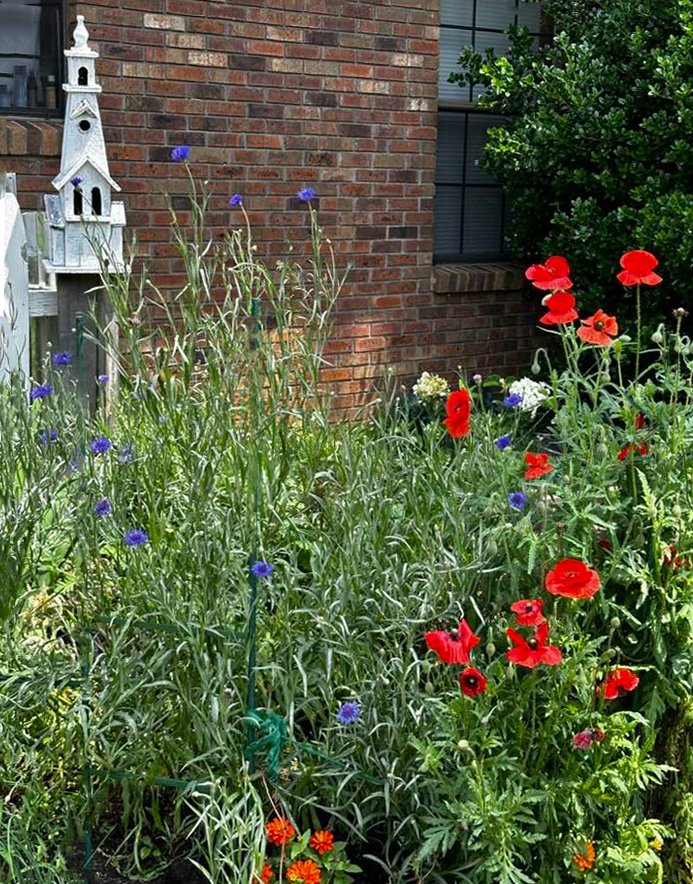
Poppies and Bachelor Buttons blooming in Jacki Kellum’s garden on May 1.
As surely as we are about to be slammed with a brutal snow and ice storm. I am fully cognizant that in about 2 months, my poppies and bachelor buttons will begin towering into the air, and in about 3 months, I’ll be finding ways to stake them to prolong their color.
Nature is reliable. It is continuously reinventing itself. “April Come She Will,”
When you realize that this is January 21, you might be shocked that I am sowing seeds now, but Winter is the Best Time to Sow Some Seeds.
Although the ground is frozen solid now in some parts of the USA, in Mississippi, my January garden is still workable — even though I live in North Mississippi–not far below Memphis, TN. Like almost all the other places where I have lived, the growing season for the northern part of Mississippi is vastly different from that in the southern part of the state.
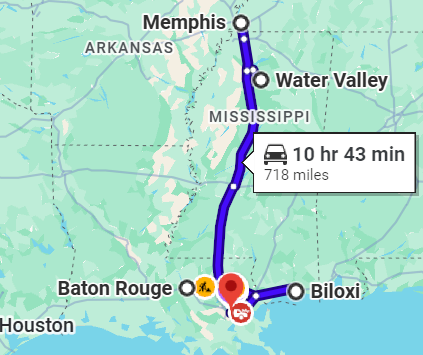
I currently live in Water Valley, Mississippi, which is about 5 hours north of Biloxi, MS, and Biloxi is about an hour north of New Orleans, which is a tropical part of our country.
While Water Valley is not as cold as Chicago or Maine, it is certainly not a tropical climate. For growing poppies and bachelor buttons, that distinction is important. Both poppies and bachelor buttons require a period of extremely cold weather — even freezing weather — to enable the seeds to grow into flowering plants. This period of cold weather allow for cold stratification.
What Is Cold Stratification of Seeds?
Cold Stratification is providing a period of cold before the seeds are expected to grow.
Some seeds, especially those of the perennial native wildflowers, need to be placed in a cold place for a period before the time for germination. It is okay if those seeds are stored in a refrigerator, but I choose to sow my seeds outside during the late fall. Winter’s cold weather will stratify those seeds naturally.
Most Annuals Should be Sown After There Is No Risk of Frost
On the other hand, many perennial native wildflowers self-sow, and to protect them from the winter’s chill, the germination of these tough-skinned wildflowers is postponed until the time is right for them to complete the germination process; Winter softens the seed’s skin and naturally prepares it for germination.
Most annual seeds do not have tough skins and they should be sown outside after there is no danger of frost. These seeds may be started early inside.
But Poppies and Bachelor Buttons are annuals that require cold stratification.
Discover more from Jacki Kellum
Subscribe to get the latest posts sent to your email.