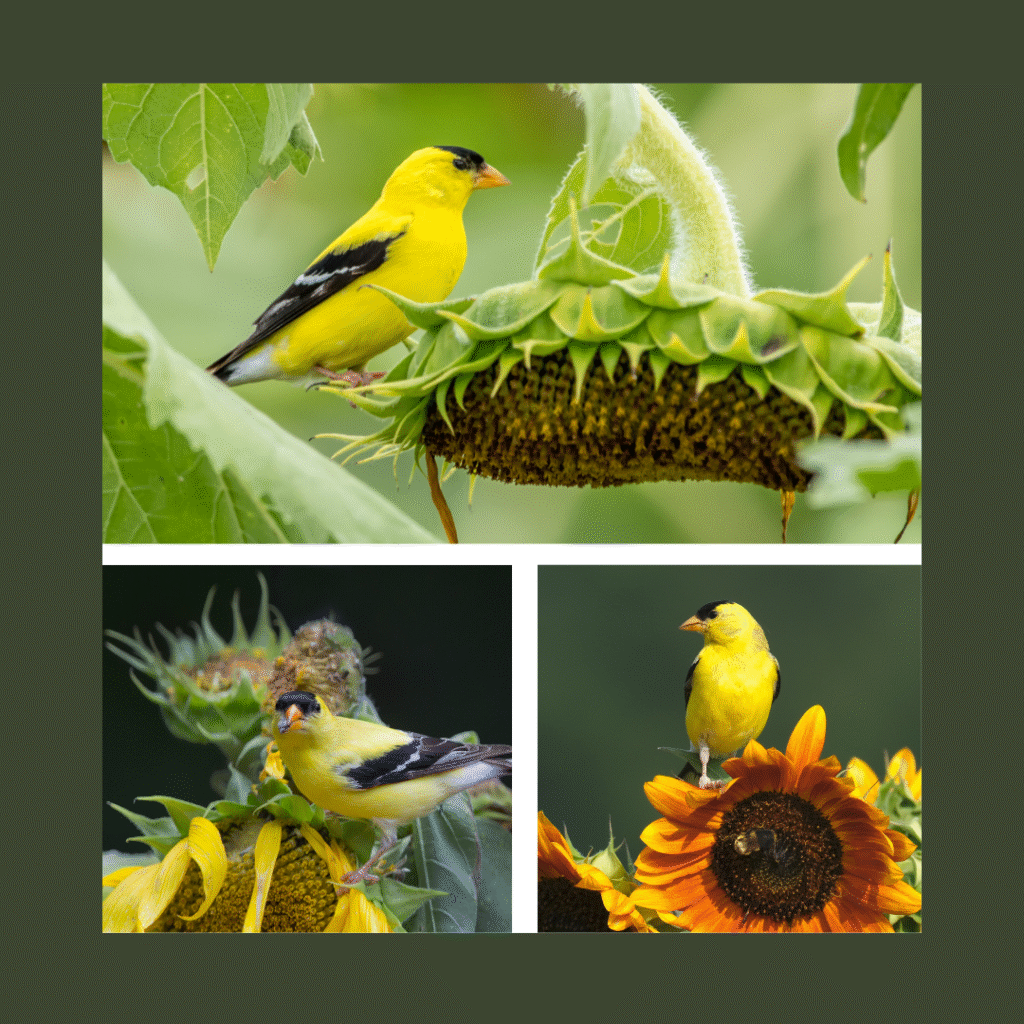
American Goldfinch (Carduelis tristis)gun
I have begun my third year of gardening in my current Mississippi garden, and I am thrilled the American Goldfinches have finally found me. What a difference two years of gardening have made.
The first year I was here, I saw very few birds. But for years before that time, my backyard was nothing but an expanse of Bermuda grass. My yard was unappealing to me, and I’m not surprised that the birds weren’t attracted to it.
Although I moved here in late spring, it was winter before I became friends with a mockingbird. In fact, I felt that my mockingbird and I had a bit of a supernatural connection:
By the following year, my garden was well-established, and I dotted bird feeders around. I attracted MANY birds to my yard after that, and the birds began helping me grow the kind of garden that they preferred.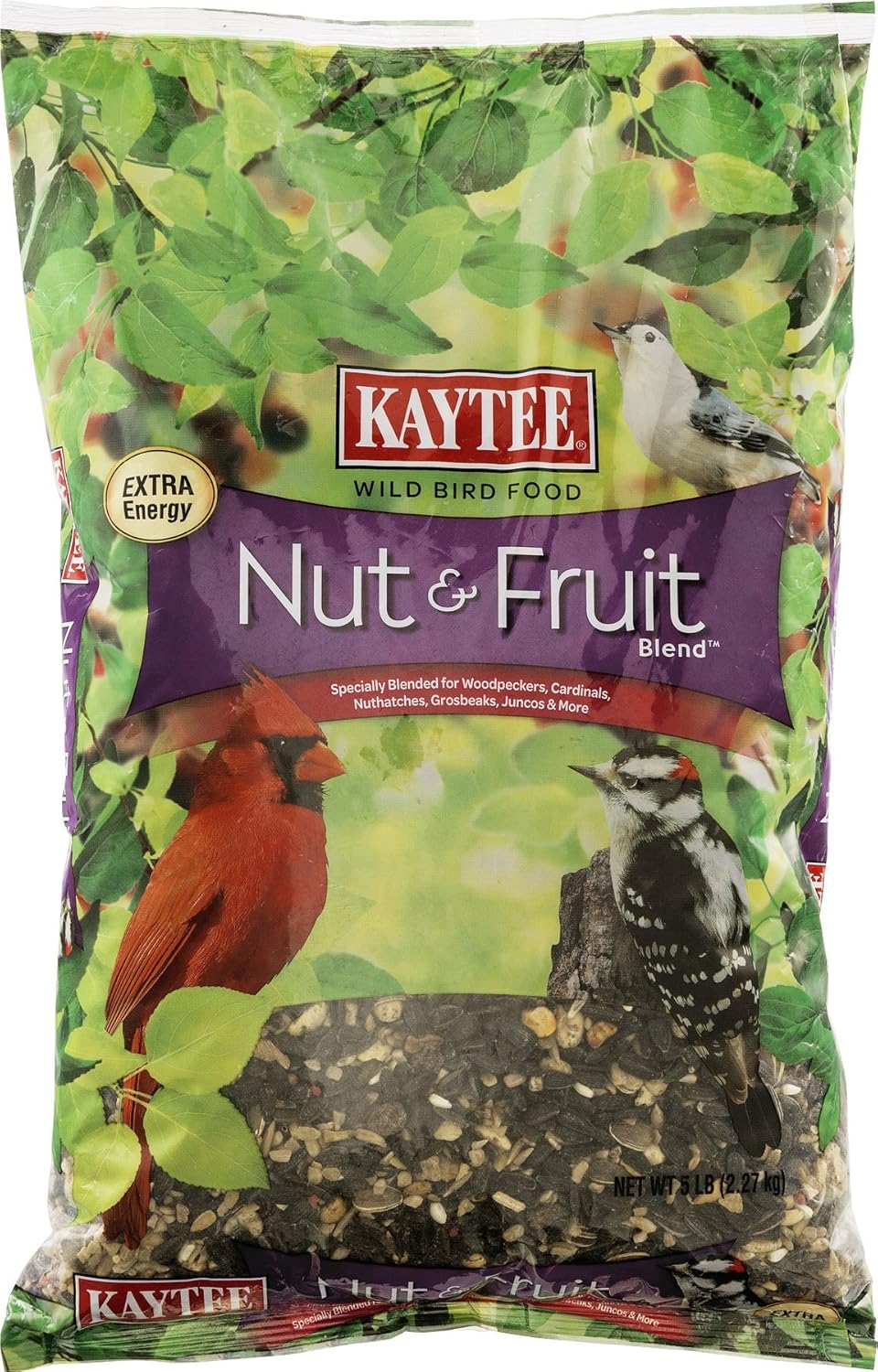 Kaytee Nut & Fruit Seed
Image Credit: Kaytee on Amazon
During my second year of gardening, I used the Kaytee Nut and Fruit Bird Seed. This is an excellent bird seed, and there is a liberal amount of both Gray Stripe and Black Oil Sunflower Seed in the Nut and Fruit Mix.
In the beginning, I was merely trying to feed the birds, but soon, I was delighted that sunflowers popped up from the seed that the birds dropped. By the fall of the second year, I mixed the Nut & Fruit Mix with both grey stripe and black oil seeds. At that point, I was feeding my birds extra portions of seed to both grow sunflowers and to feed the birds. I used the feeders over the winter, and my late March, little sunflowers were growing all around my yard. The Black Oil Sunflowers were the first to bloom. This year, I have discovered that goldfinches love to eat the seeds of the live and growing black oil sunflowers. I am thrilled by the host of goldfinches visiting my yard now,
[Before I go on, allow me to say that a host of birds frequented my feeders for over a year, but I saw no goldfinches until this year–the beginning of my third year gardening in this spot.]
More about Goldfinches
“The American goldfinch is a popular visitor to birdfeeders throughout its range, which includes the Mississippi National River and Recreation Area.
“We usually think of birds nesting in the spring, but goldfinches don’t begin to nest until July and its not unusual to find active nests even as late as early September!
“Females usually lay five eggs and spend nearly 95% of their time on the nest once incubation begins, rarely leaving to feed or rest. She can spend so much of the time on the nest because the male brings her food.” National Park Service
Identification
- Key ID Features: Sparrow-sized. Males gold with black wings and forehead. Both sexes are yellow/olive during the winter.
- Present in Park: Year round resident.
- Habitat: Weedy fields, open forest, wooded neighborhoods. Nests are tightly woven plant material and spider/caterpillar silk lodged in a tree branch fork.
- Voice: Several different calls. National Park Service
Discover more from Jacki Kellum
Subscribe to get the latest posts sent to your email.