Before yesterday, I had noticed advertisements of the Britbox series The Other Bennet Sister, but I initially rejected the series, telling myself that it would be a a disappointing attempt to create a Jane Austen Sequel to the perfect novel and movie thereof: Pride and Prejudice. Finally, I opted to give The Other Bennet Sister a try. Quickly. I was captivated by every manifestation of this fabulous addendum to the Jane Austen legacy. The Other Bennet Sister is no cheap sequel. It is magical — all on its own:
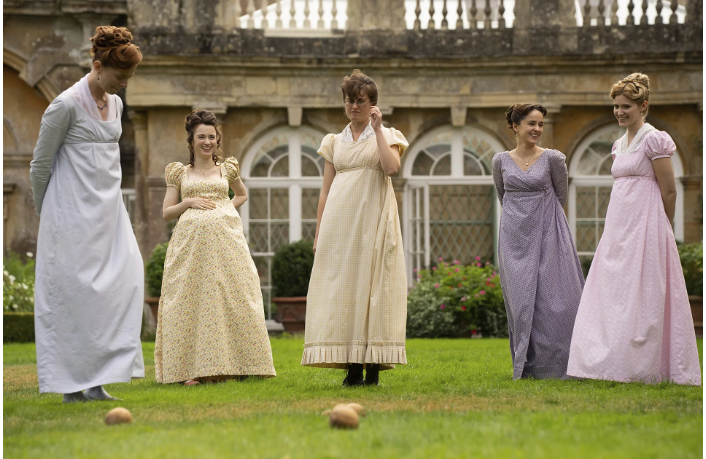
- Mary Bennet dares to wear spectacles in public
- Mary Bennet fears that no one will dance with her at the assemblies
- Mary Bennet’s Aunt is a Hero in The Other Bennet Sister. She saves Mary and helps her transform into a lovable new being.
- Mary Bennet’s mother had destroyed her self-esteem.
- Mary Bennet had convinced herself to dislike poetry, whimsy, and pleasure. It is almost as though Mary believes herself unworthy of these things.
- Ultimately, Mary learns the secret to inner happiness.
Let’s set the stage for Mary Bennet as Austen created her in the 1813 book Pride and Prejudice:
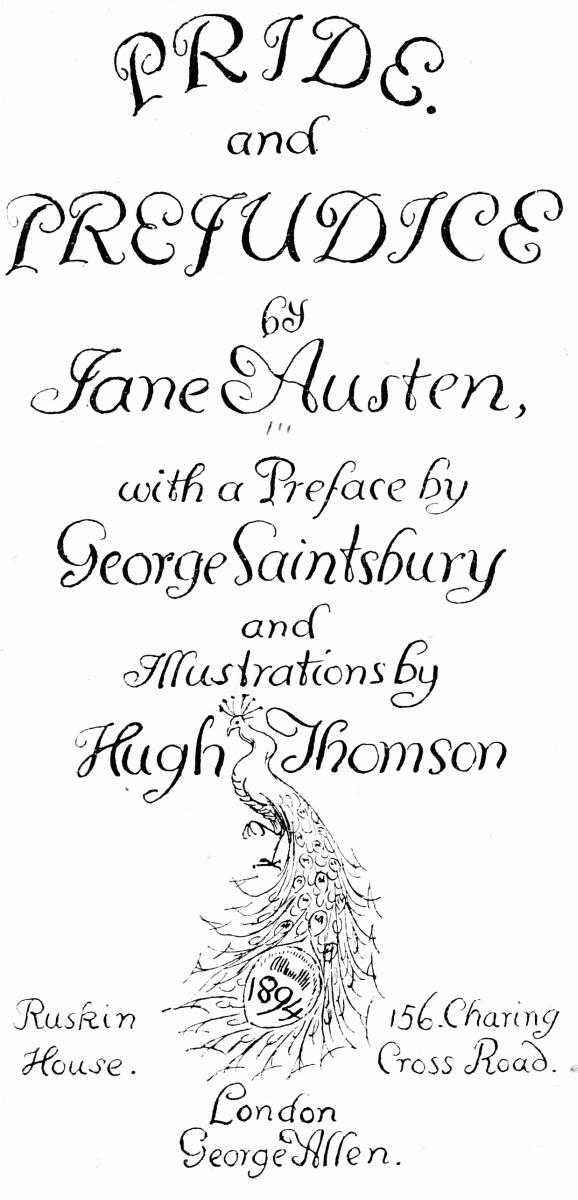
Chapter I. [Pride and Prejudice]
“IT is a truth universally acknowledged, that a single man in possession of a good fortune must be in want of a wife.” Pride and Prejudice, pg 1.
Because of the impending loss of livelihood and home for the Bennet family, Mrs. Bennet is desperately trying to attract the best of the area’s eligible bachelors to the marrying of her five daughters. On page 3 of the book, Mrs. Bennet tells the reader
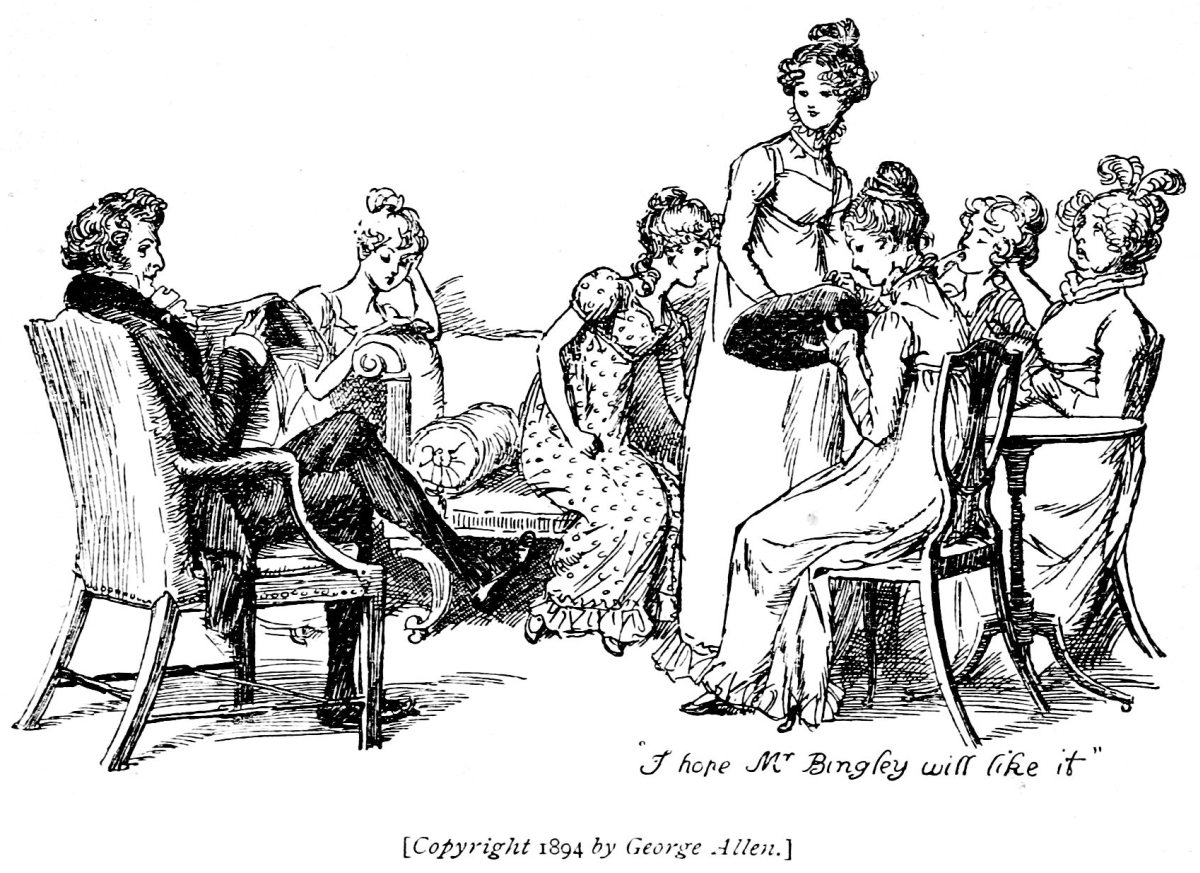
“My dear, you flatter me. I certainly have had my share of beauty, but I do not pretend to be anything extraordinary now. When a woman has five grown-up daughters, she ought to give over thinking of her own beauty.” pg. 3
Mr. Bingley is the first potential suitor to be whisked toward Mrs. Bennet’s trap.
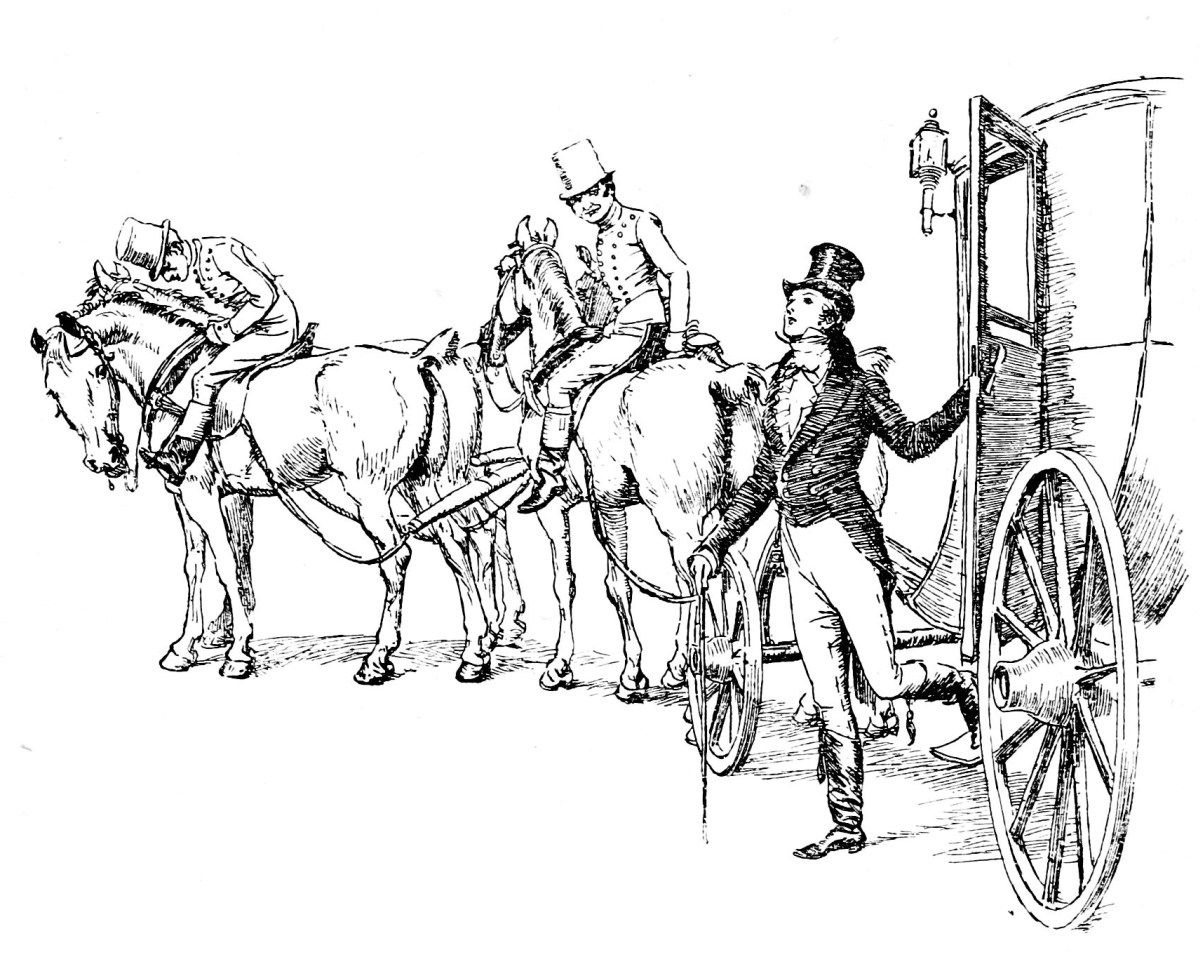
“He came down to see the place”
[Copyright 1894 by George Allen.]
“Oh, single, my dear, to be sure! A single man of large fortune; four or five thousand a year. What a fine thing for our girls!”
“How so? how can it affect them?”
“My dear Mr. Bennet,” replied his wife, “how can you be so tiresome? You must know that I am thinking of his marrying one of them.”
“Is that his design in settling here?”
“Design? Nonsense, how can you talk so! But it is very likely that he may fall in love with one of them, and therefore you must visit him as soon as he comes.” p. 3
Unfortunately, Mr. Bennet did not feel the same pressure toward finding husbands for his daughters as Mrs. Bennet:
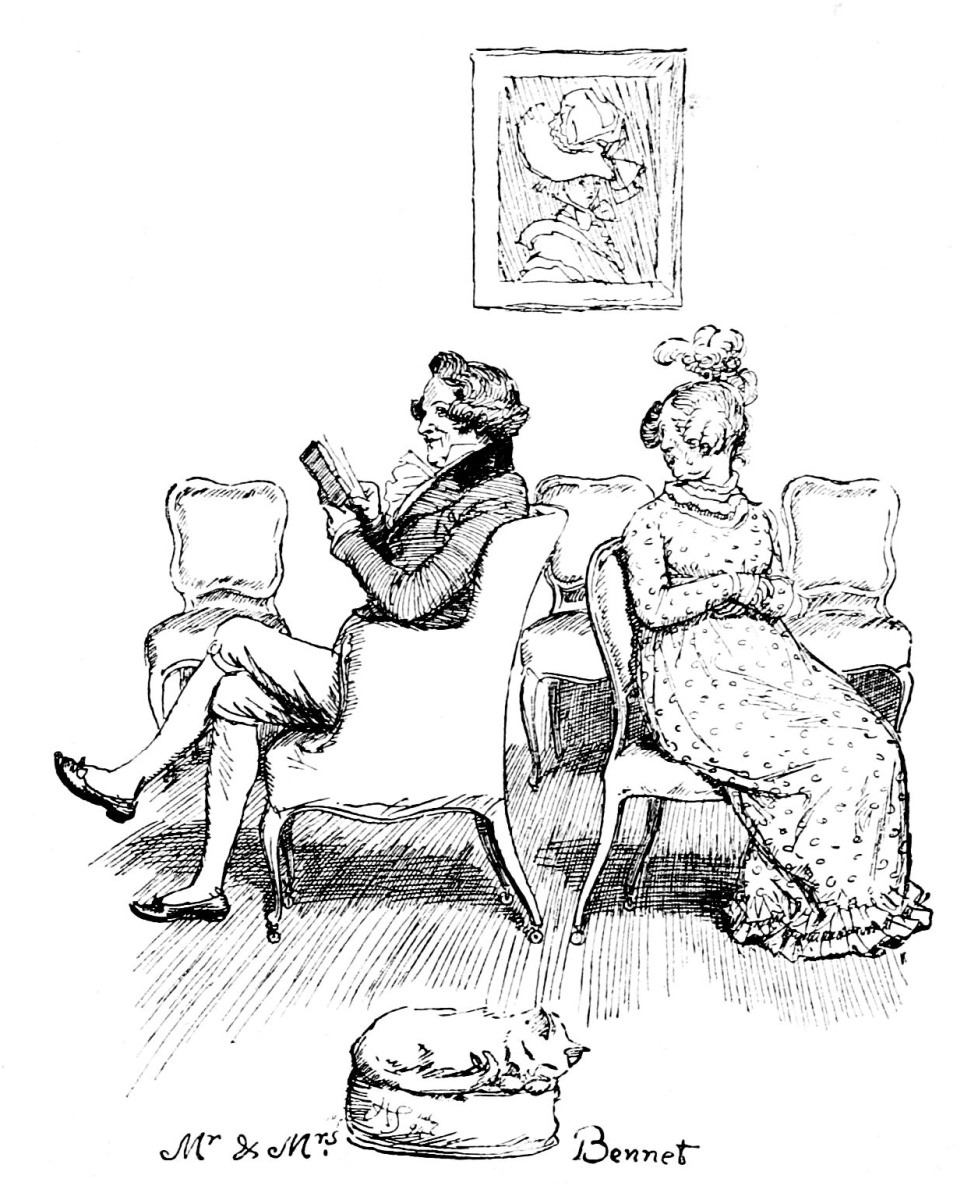
“Mr. Bennet was so odd a mixture of quick parts, sarcastic humour, reserve, and caprice, that the experience of three-and-twenty years had been insufficient to{5} make his wife understand his character. Her mind was less difficult to develope. She was a woman of mean understanding, little information, and uncertain temper. When she was discontented, she fancied herself nervous. The business of her life was to get her daughters married: its solace was visiting and news.” pgs.5-6.
- Role in the Novel: She is the middle of the five Bennet sisters (Jane, Elizabeth, Mary, Kitty, and Lydia).
- Character Traits: Austen describes her as the only plain sister in the family, lacking natural genius or taste, and prone to pedantic moralizing, quoting , and performing showily on the piano.
- Plot Outcome: Unlike her sisters who marry early, Mary remains at Longbourn with her parents at the end of the story, eventually engaging more with local society. [1, 2, 3, 4, 5, 6 Wikipedia
Discover more from Jacki Kellum
Subscribe to get the latest posts sent to your email.