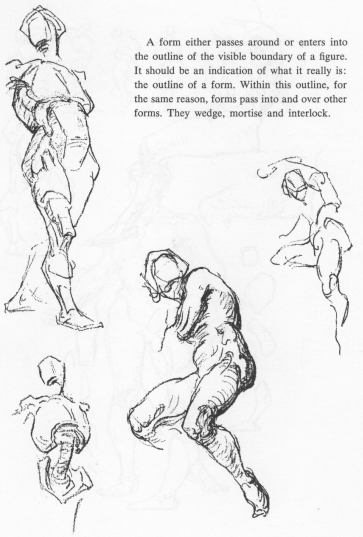
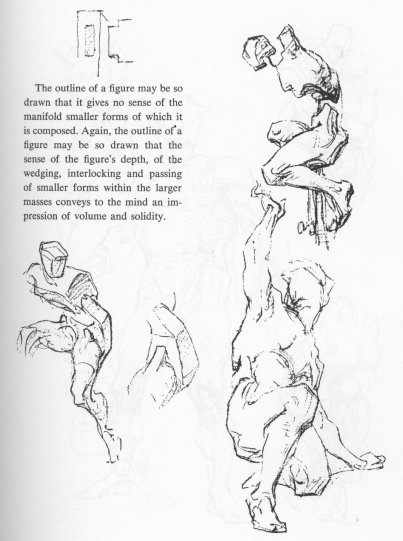
“THIS is the story of the blocked human form where the bending, twisting
or turning of volume gives the sensation of movement held together by
rhythm. … pg. 11
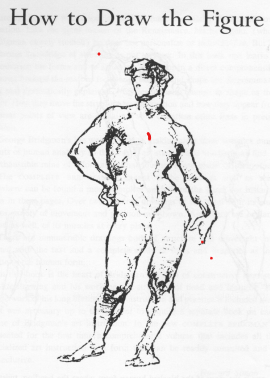
“BEFORE you make a line you must have a clear conception of what you
want to draw. In your mind it is necessary to have an idea of what the figure
to be drawn is doing. Study the model from different angles. Sense the nature
and condition of the action, or inaction. This conception is the real beginning
of your drawing. pg. 12
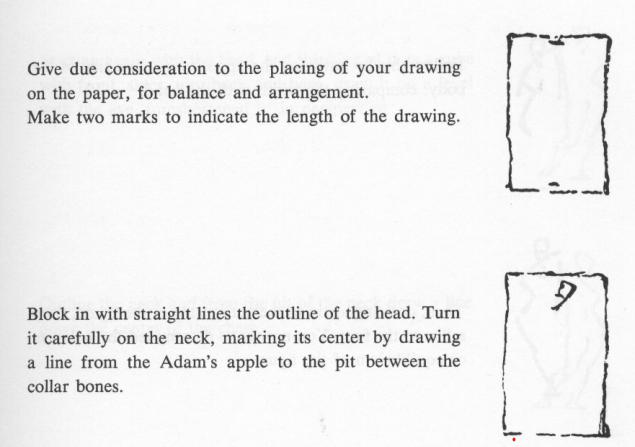
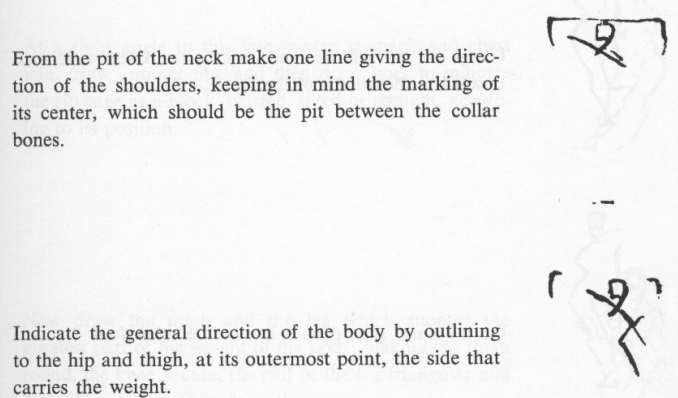
pg. 13
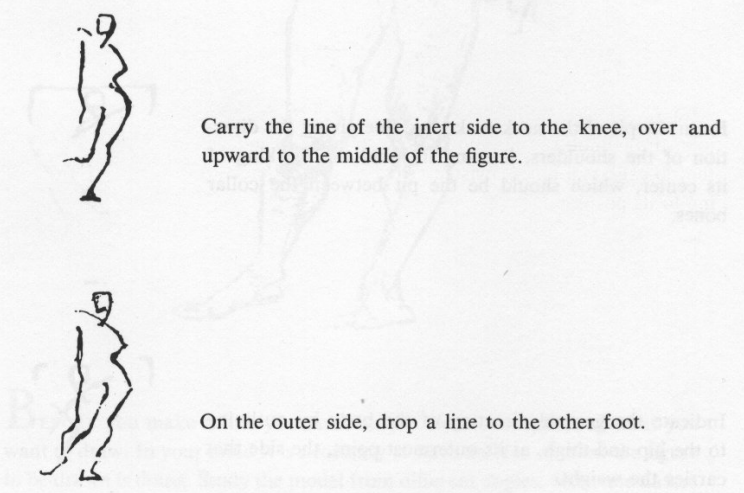
pg. 14
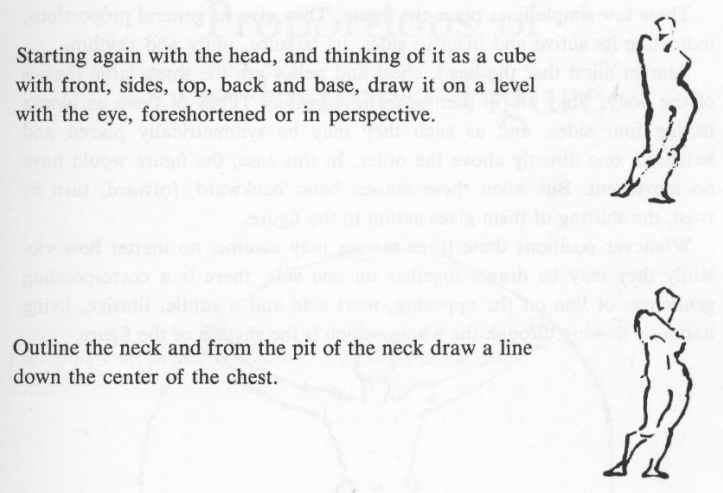
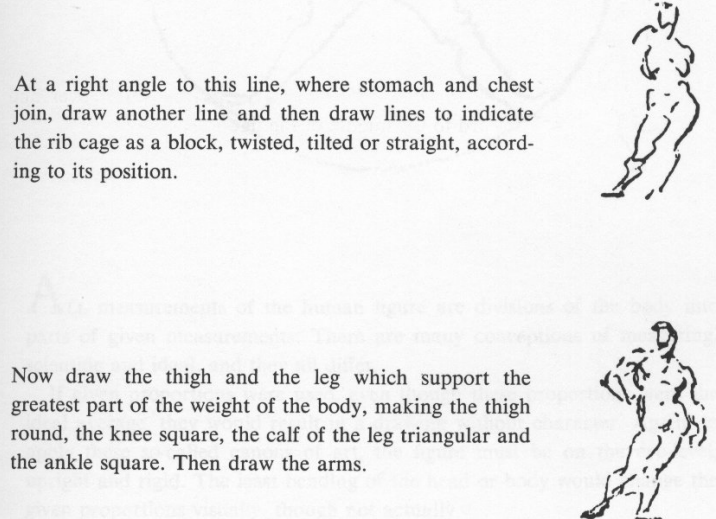
pg. 15
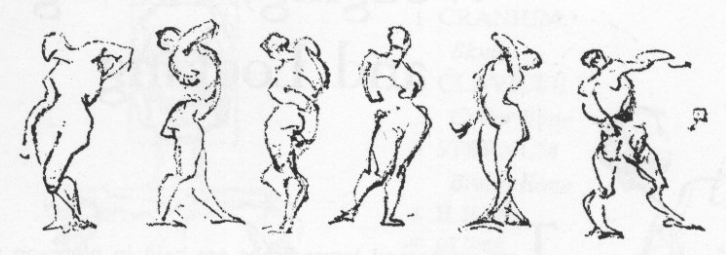
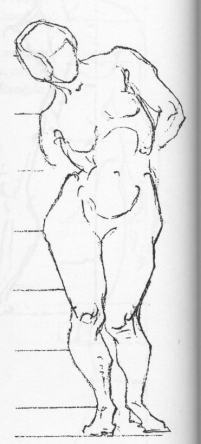
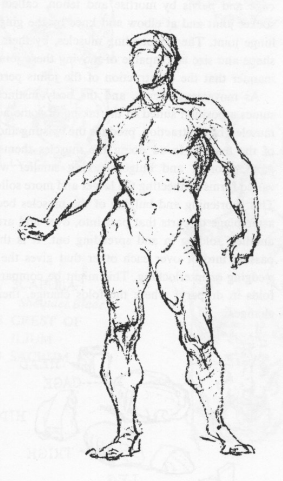
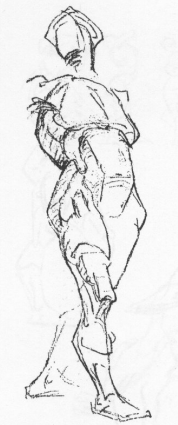
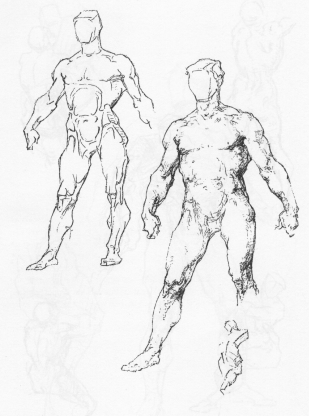
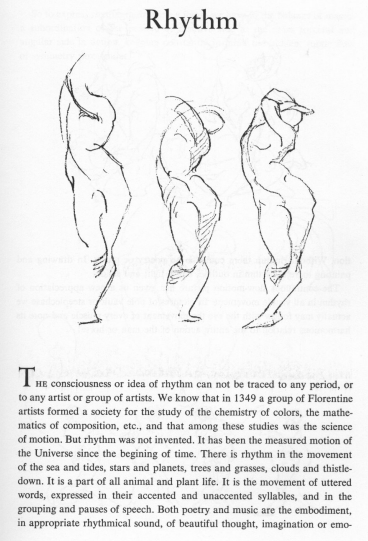
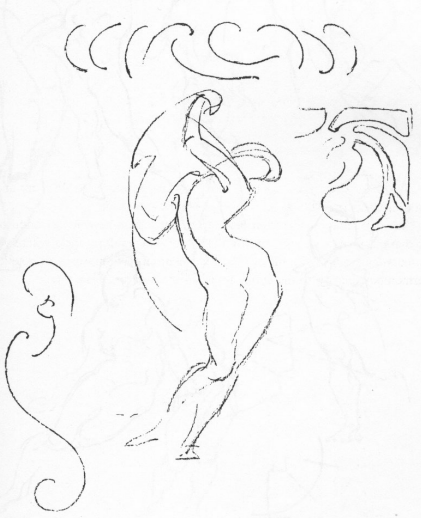
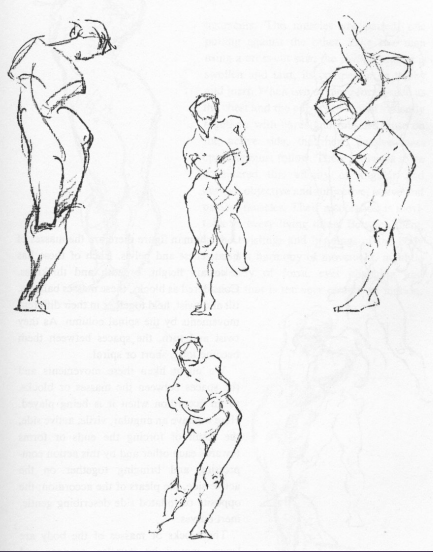
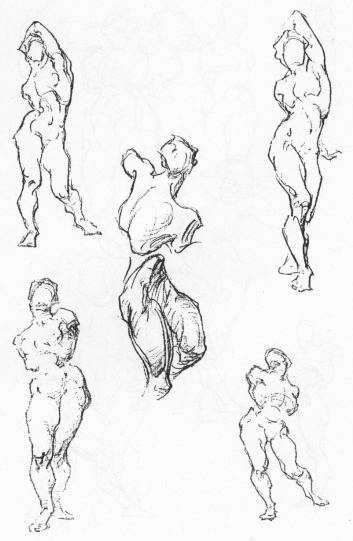
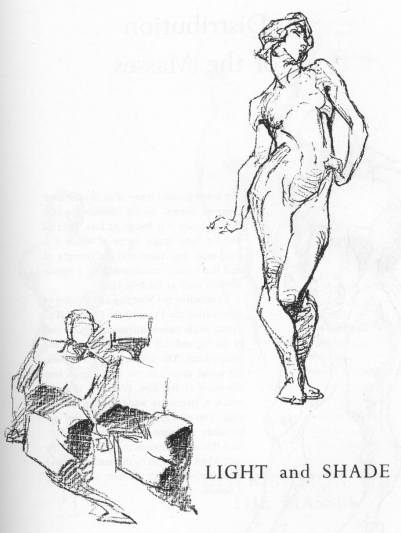
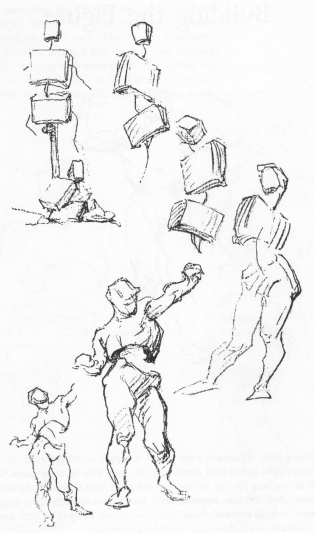
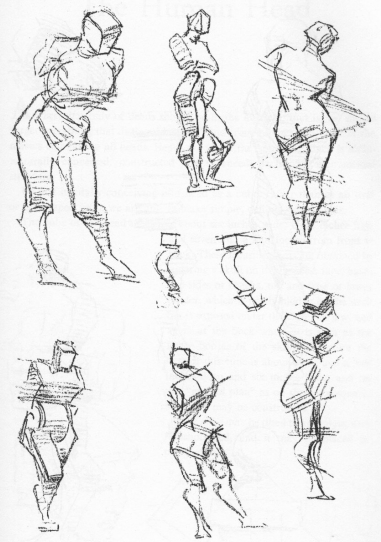
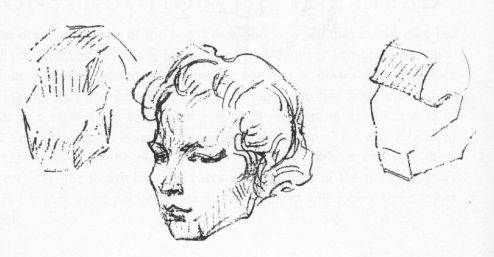
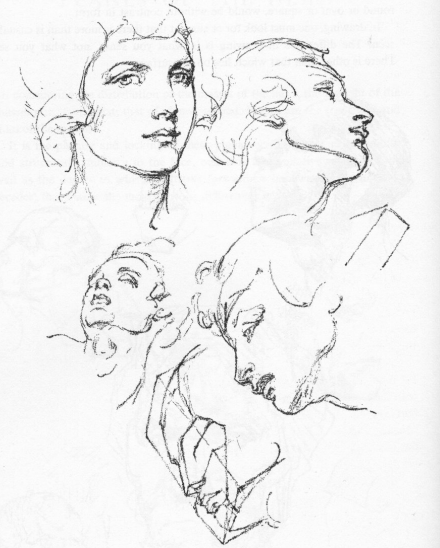
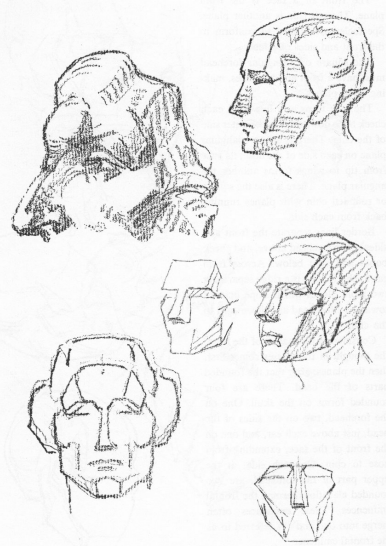
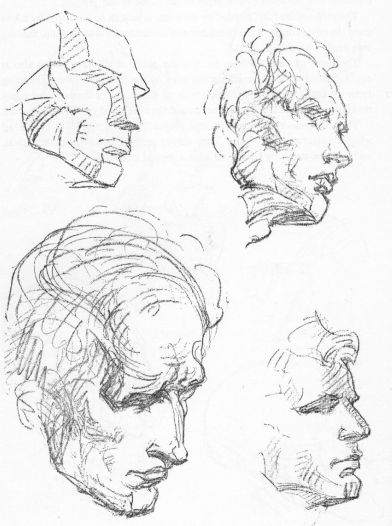
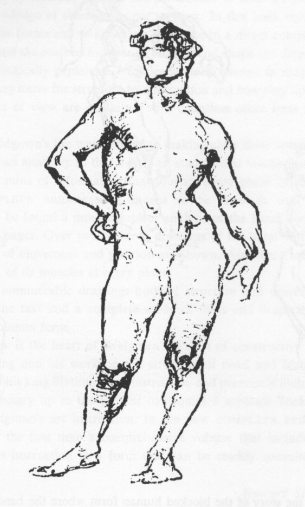
[Jacki Note: The figures that Bridgman have drawn above are standing in contrappostto
What is contrapposto?
“Contrapposto is an Italian visual arts term that describes a human figure in a natural pose with most of their weight concentrated on one leg. With both feet on the ground, the body forms an asymmetrical shape—the shoulders and hips tilt in opposite directions, while the torso and pelvis do the same. One leg is teso, or tense, and the other is rilassato, or relaxed. The posture is reminiscent of the letter S, with its nonchalance aiding in bringing the subject to life.” Saint Louis Art Museum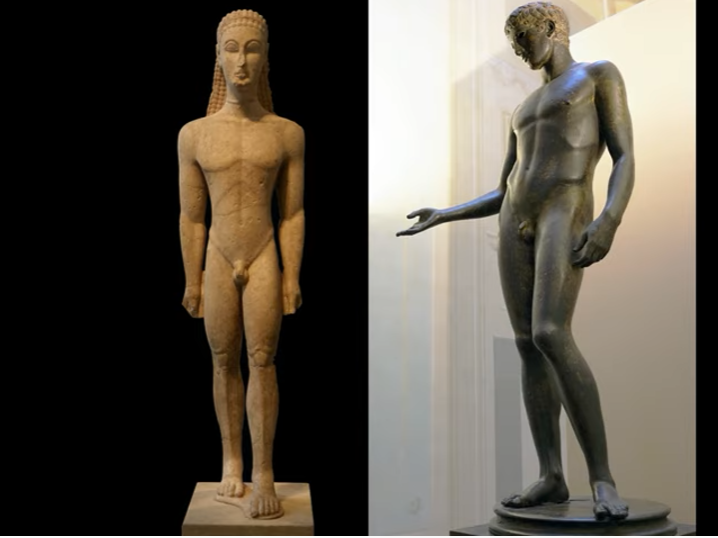
Balance in Figure Drawing
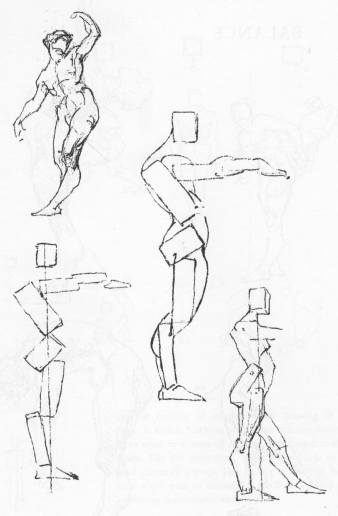
“A standing figure whether thrown backward or forward, or to one side or the other, is stationary or static. The center of gravity, from the pit of the neck, passes through the supporting foot or feet, or between the feet when they are supporting
the weight equally.
In a way, the pendulum of a clock when hanging straight, or perpendicular, represents a standingfigure without movement. It is static, stopped. So is
the clock. But start the pendulum swinging. It describes an arc, moving back and forth, but always about a fixed center of gravity. The position of the pendulum when at one or the other extreme of its swing or arc, from its center of gravity, represents the extent to which a figure may be thrown out of balance. And this position would also represent the [pg. 33] greatest rapidity of motion in the drawing of a figure in action. Yet even in the most extreme motion
there must be a sense of security, a feeling that the figure, like the pendulum, could come back to a fixed center of gravity. This feeling or sense of balance which must be recorded in the flow or sweep of a drawing is continuity and rhythm. pg. 34
Discover more from Jacki Kellum
Subscribe to get the latest posts sent to your email.