This paper mache chicken is easy to make …
“And you can change it any way you like – make a whole flock of hens, and each one will be different.
“I chose it for today’s post because I’ve got chickens on my brain – you’ll hear why as soon as you click the “play” button. 🙂
“This is the first project in my book “Make Animal Sculptures with Paper Mache Clay.”
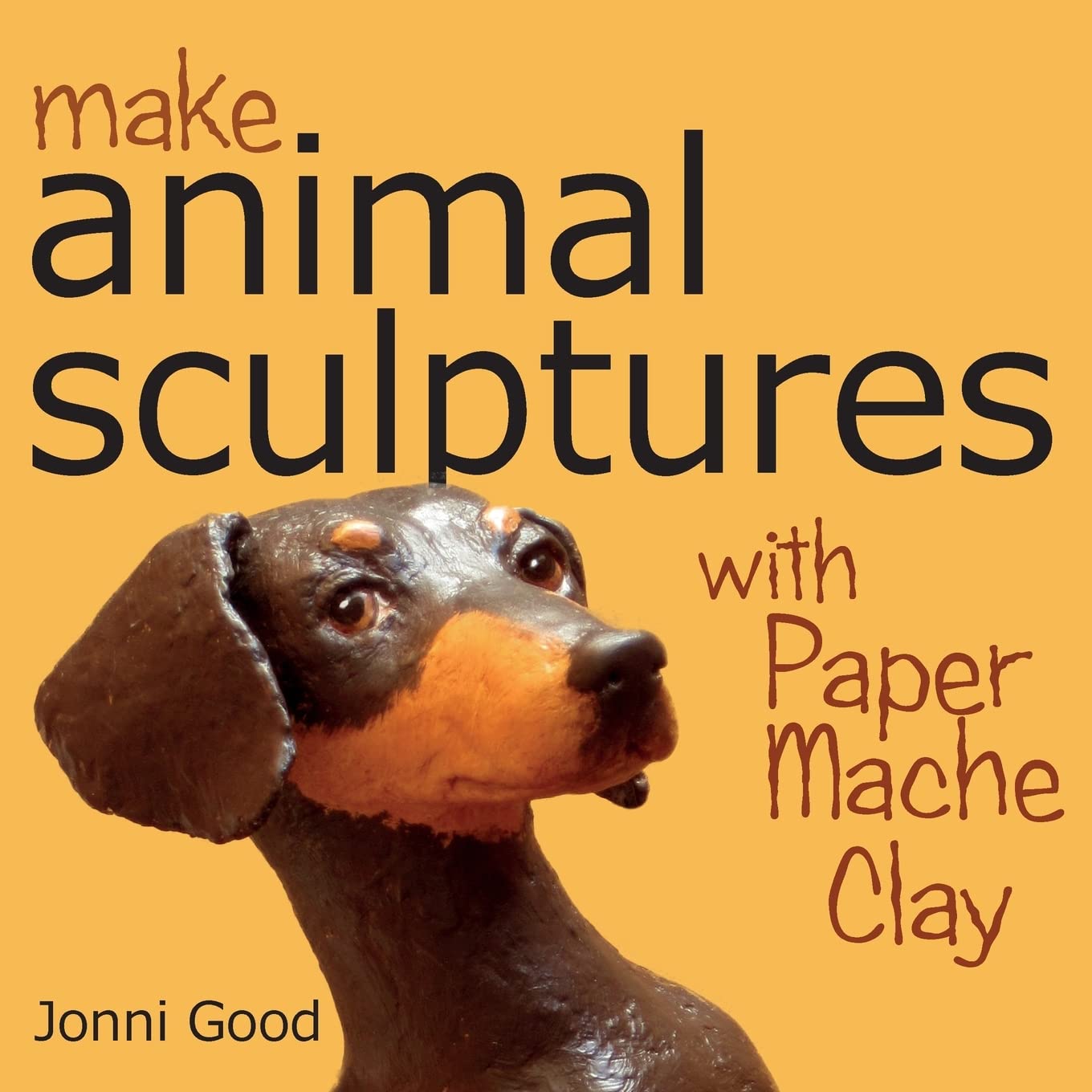
Image Credit Jonni Good at Amazon
“I started the book with the easiest project so readers would be successful right from the start and then learn new skills with every project.
“I used the experimental ‘no joint compound’ air dry clay for this chicken, but only because I made a batch of the clay for my last video and I wanted to use it up.” Jonni Good
This little owl was made with a foil armature:

Paper mache owl armature made with foil.

Image Credit: Jonni Good
Using Found Objects for a Form for Paper Mache:
“Many paper mache items can be made over objects you find around the house. This paper mache bowl was made using a small ceramic bowl for the form. Our friend Rex Winn uses plastic bags to make the forms for his pumpkins, and many people make masks using milk jugs or paper plates.

Using paper mache clay, made with colored tissue paper, to make a bowl.

“The finished paper mache bowl, after it dried. You could do the same thing with paper strips and paste and then paint it.” Jonni Good
Paper Mache Over a Clay Model:
“Gerda left a comment to remind us that you can use clay to sculpt a form, and then cover the clay with paper mache, like I did when I made my African Mask, and when I made a strange helmet mask years ago. (That video isn’t very good, but I really like the mask. 🙂 )

“Make your form first, with clay, and then cover it with plastic wrap.

Image Credit: Jonni Good
“Then cover the form with several layers of paper mache. I used brown paper to use as a base for the final painting. Always varnish your paper mache sculptures and mask after the paint is dry, to seal out moisture.
Paper Mache Over a Wire Armature:
“Patricia mentioned that she often makes armatures with either chicken wire or aluminum mesh. It’s traditional to make paper mache parade floats with a chicken wire form, but I’ve never tried using it myself. Patricia points out that large sculptures made that way are very light because they’re hollow.
“Aluminum mesh is a really good armature choice for large flat areas, like elephant ears or the wings on my big dragon, that might warp if you used cardboard covered with paper mache.
Scroll down to the comment area to see Gerda and Patricia’s comments.
Step 2: Make Your Paper Mache
You can cover your form with paper strips and paste, or with a mixture of pulped paper that has been mixed with some kind of binder or glue.
Paper mache clay:
No-Glue Recipe for Paper Mache Clay For the DIY glue/paste:
In a small saucepan, mix:
● 1/2 cup cold water
● 2 tablespoons white flour Whisk together thoroughly to remove any lumps. Then add:
● 1 teaspoon corn starch
● 1 teaspoon sugar
● 1 capful (about a teaspoon) of white vinegar.
“Whisk again until well mixed. Put the pan on a burner set to Medium to Medium-High heat, and stir constantly until the mixture thickens. Then stir another minute until you start to see bubbles, and the mixture comes together. Put the mixture into a heat-proof container and allow to cool.”
Watch the video below to see how my favorite new paper mache clay recipe is made:
For the paper mache clay:
In a medium size bowl, mix:
● 1/2 cup wet toilet paper (24 grams dry, 110 grams wet – see video)
● 1/2 cup pre-mixed drywall joint compound, any brand
● All of the ‘glue’ you made previously
When the paper has mixed in completely and there are no lumps, add:
● 1/2 cup corn starch, divided Put about half of the corn starch into the bowl, and mix well. Then add the rest. If the paper mache clay starts to get too stiff for the motor on your mixer, or if it tries to ride up the beaters, you can finish mixing by hand with a spoon. To make the paper mache clay the consistency you like, add: ● More corn starch, a little at a time. When the mixture is too stiff to mix with a spoon, turn it onto a work table and kneed by hand. When it’s very close to the way you want it, add: ● 1 capful (about 1 teaspoon) of mineral oil, baby oil, or linseed oil Kneed the clay some more to mix in the oil. Add more corn starch if needed. Your new paper mache clay is now ready to use. Keep it in a plastic bag to keep it from drying out. If you can’t use it within a few days, store it in the refrigerator. You can use your new paper mache clay for almost any pattern or project on my site. If you try this new recipe, be sure to let us know if you like it or not.
Discover more from Jacki Kellum
Subscribe to get the latest posts sent to your email.